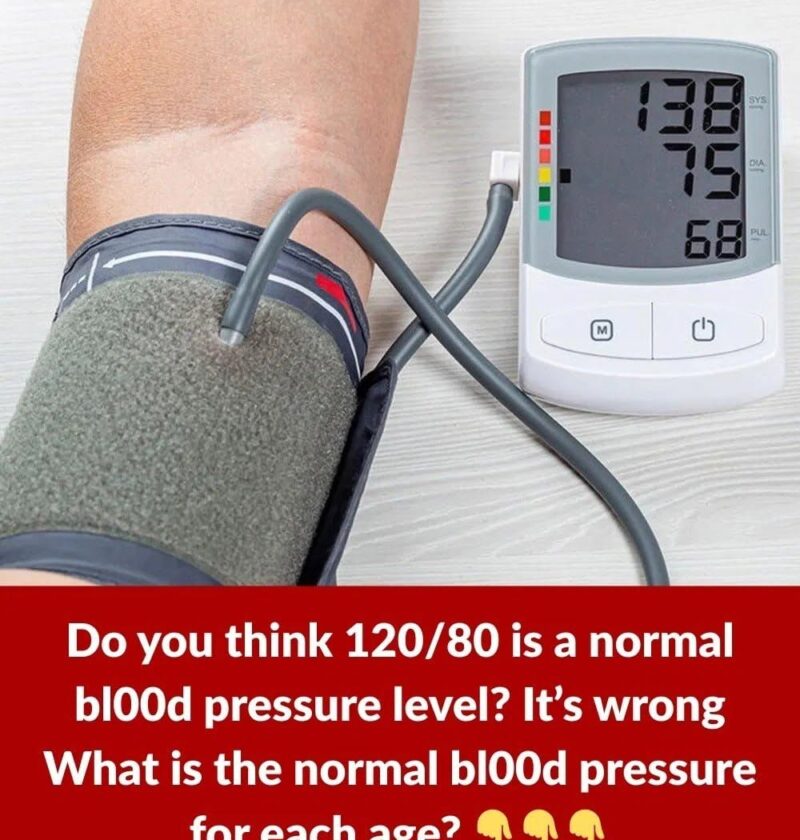
“Normal blood pressure” doesn’t actually change dramatically for most healthy adults once they’re fully grown. Age matters most in children and teens; in adults, the same general target is used with small variations.
First, the standard baseline (adults)
For most adults (around 18+), a normal reading is:
- Normal: about <120 / <80 mmHg
- Elevated: 120–129 / <80
- High blood pressure (Stage 1): 130–139 / 80–89
- High blood pressure (Stage 2): ≥140 / ≥90
Blood pressure by age (typical ranges)
👶 Newborns (0–1 month)
- Systolic: 60–90
- Diastolic: 20–60
🍼 Infants (1 month–1 year)
- Systolic: 80–100
- Diastolic: 50–65
🧒 Children (1–5 years)
- Systolic: 90–105
- Diastolic: 55–70
🧑 Children (6–13 years)
- Systolic: 95–120
- Diastolic: 60–80
🧑🎓 Teenagers (14–17 years)
- Systolic: 105–135
- Diastolic: 65–85
🧑 Adults (18–59 years)
- Normal: ~110–120 / 70–80
- Many healthy people sit around 115/75
👴 Older adults (60+ years)
- Often slightly higher due to stiffening arteries:
- Up to ~130–139 / 80–89 can be common
- But modern guidelines still aim for:
- Ideal: <130 / <80 if tolerated
Important reality check
- There is no single “perfect number” for every age
- BP depends on:
- activity level
- stress
- salt intake
- sleep
- genetics
- One reading is not enough—trend matters more
When to worry
- Consistently ≥140/90: high blood pressure
- Repeated <90/60 with symptoms (dizziness, fainting): low blood pressure concern
If you want, tell me your age and recent reading, and I can interpret it for you more precisely.