Here’s the clear breakdown.
💊 Which drug are they talking about?
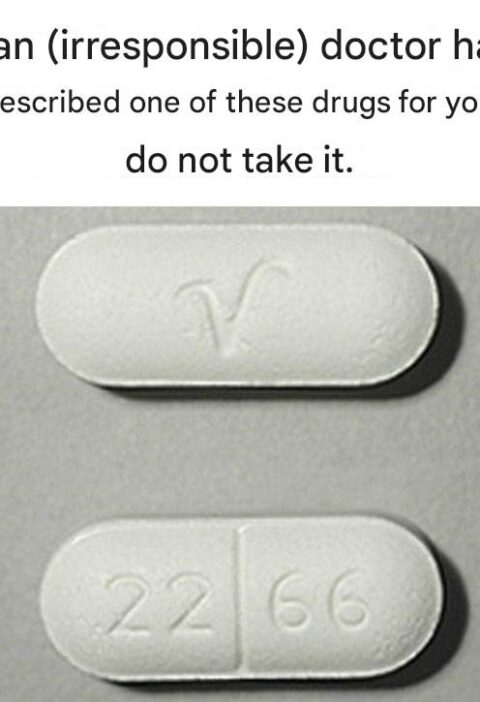
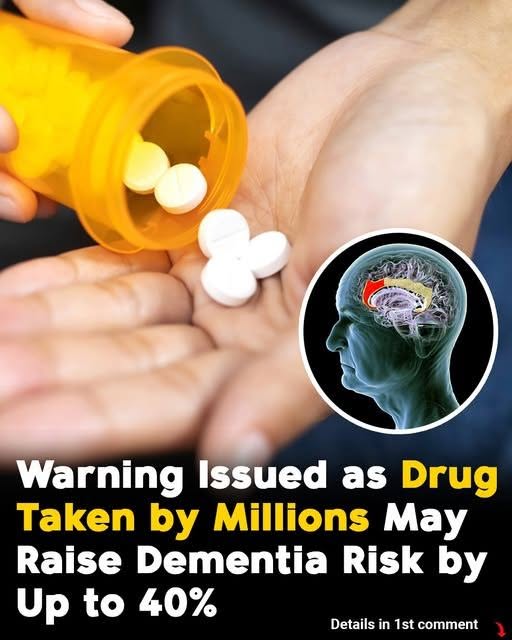
Most often, this type of headline refers to gabapentin and pregabalin (used for nerve-related back pain and sciatica).
These medicines work by calming nerve signals and are commonly prescribed for chronic pain conditions.
They are not typical painkillers like ibuprofen—they affect the nervous system.
🧠 What the study actually found
Large observational studies have shown:
- People taking these drugs long-term had a higher rate of diagnosed dementia
- The risk appeared higher with:
- Higher doses
- Long-term use
- Older adults
However, this does not prove causation.
⚠️ Important: correlation ≠ cause
There are major alternative explanations:
1) Underlying condition risk
People taking these drugs often already have:
- Chronic pain
- Nerve damage
- Poor sleep
These conditions themselves are linked with cognitive decline and Dementia risk.
2) Age factor
These medications are more commonly used in older adults, who already have higher baseline dementia risk.
3) Confounding medications
Many patients also take:
- Sleeping pills
- Opioid painkillers
- Antidepressants
These can contribute to confusion or memory issues.
🧪 What experts actually conclude
Medical researchers generally say:
- There is a signal worth studying
- But no proof these drugs directly cause dementia
- They remain important treatments when used appropriately
⚖️ Risk vs benefit
Doctors prescribe these drugs because:
- They can significantly reduce nerve pain
- Improve sleep and mobility
- Improve quality of life in chronic conditions
Stopping them without medical guidance can worsen pain and function.
🚨 When to be cautious
Talk to a doctor if:
- Memory problems start after starting a new medication
- There is confusion, drowsiness, or balance issues
- Multiple sedating drugs are being used together
🧠 Bottom line
The “link to dementia” is not a proven cause-effect relationship, but an observational association that may reflect underlying health conditions and age factors rather than the drug itself.
If you want, I can explain which pain medications are safest for long-term use in older adults and which ones doctors usually try to avoid first.