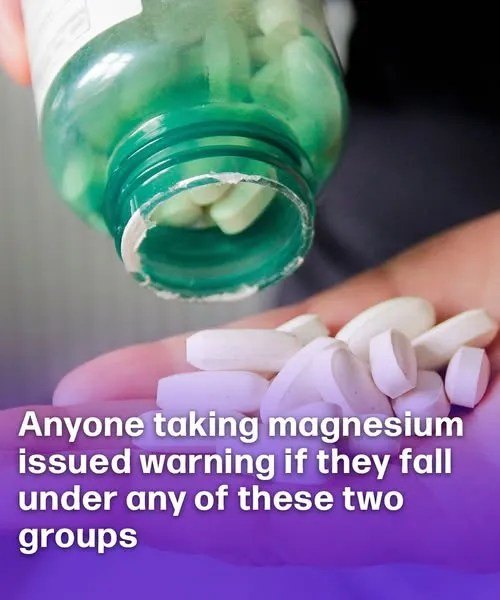
Health experts are warning that magnesium supplements — widely promoted for sleep, stress, muscle cramps, and recovery — are not risk-free, especially for two higher-risk groups:
- People with kidney disease or impaired kidney function
- People taking certain medications, especially diuretics, antibiotics, heart medicines, or long-term acid reflux drugs (PPIs)
The concern is magnesium toxicity, also called hypermagnesemia, where excess magnesium builds up in the body because it is not cleared properly. (Office of Dietary Supplements)
According to the National Institutes of Health Office of Dietary Supplements, excessive supplemental magnesium can cause:
- Diarrhea
- Nausea and vomiting
- Abdominal cramping
- Low blood pressure
- Muscle weakness
- Irregular heartbeat
- Breathing difficulty
- In severe cases, cardiac arrest
Healthy kidneys usually remove extra magnesium, which is why food sources are generally considered safe. The biggest risks come from high-dose supplements, laxatives, and antacids containing magnesium. (Office of Dietary Supplements)
Experts also warn that magnesium can interact with medications, including:
- Diuretics
- Some antibiotics
- Proton pump inhibitors (acid reflux medications)
- Certain heart medications
These interactions can either lower magnesium too much or raise it dangerously. (Office of Dietary Supplements)
Another key point from doctors: many people take magnesium without actually being deficient. Evidence for benefits in otherwise healthy adults is mixed, and unnecessary supplementation may expose people to side effects without clear benefit. (Tyla)
Typical guidance from experts:
- Prefer magnesium-rich foods first (nuts, seeds, beans, leafy greens)
- Avoid exceeding about 350 mg/day from supplements unless medically advised
- Talk to a healthcare professional before taking magnesium regularly if you have kidney issues or take prescription medications (Office of Dietary Supplements)