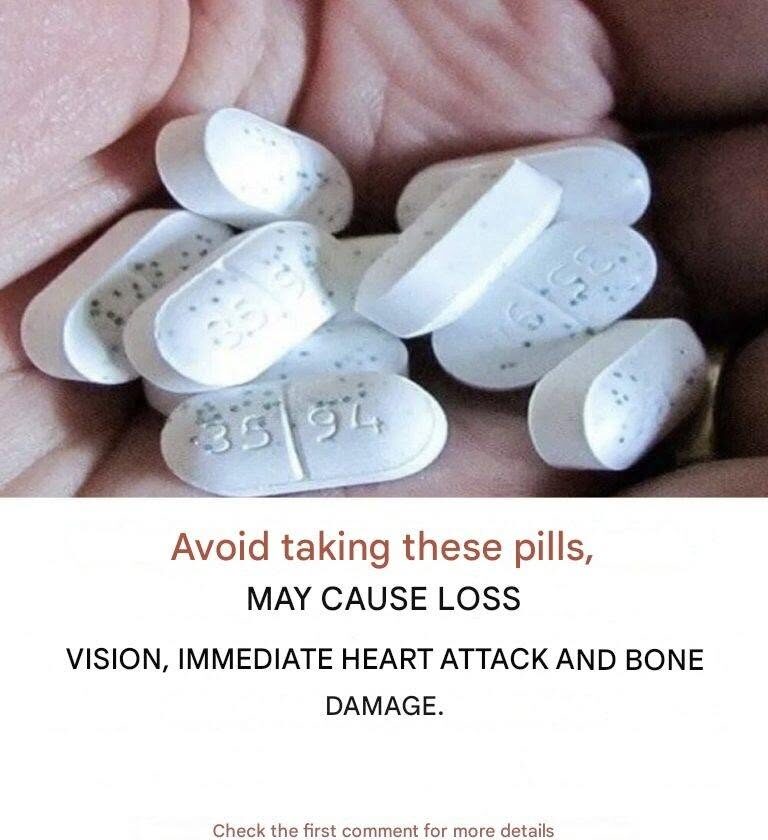
A headline like “WARNING! THESE TABLETS CAN CAUSE BLOOD CLOTS, THROMBOSIS, AND HEART ATTACKS” is too vague to evaluate without knowing which medication it refers to.
Many medications carry some risk of blood clots or cardiovascular problems, but the risk varies greatly depending on:
- The specific drug
- The dose
- How long it’s used
- A person’s age and medical history
- Other risk factors (smoking, obesity, prior blood clots, certain medical conditions, etc.)
Examples of medications that may increase the risk of blood clots in some people include:
- Certain hormonal contraceptives (birth control pills containing estrogen)
- Some hormone replacement therapies
- Certain cancer treatments
- Some medications used for inflammatory or autoimmune conditions
Meanwhile, some drugs can increase the risk of heart attack through different mechanisms, such as raising blood pressure or affecting blood vessels.
If you tell me the name of the tablet or medication, I can explain:
- Whether blood clots or heart attacks are known risks
- How common those risks are
- Who is most at risk
- What warning signs require urgent medical attention
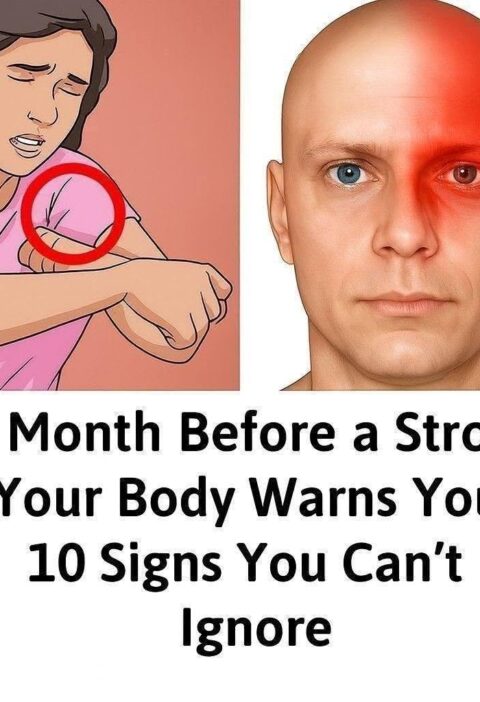
Seek emergency medical care immediately if someone experiences symptoms of a heart attack (chest pain, shortness of breath, pain spreading to the arm, jaw, or back) or a blood clot (sudden leg swelling, pain, redness, chest pain, or sudden difficulty breathing).