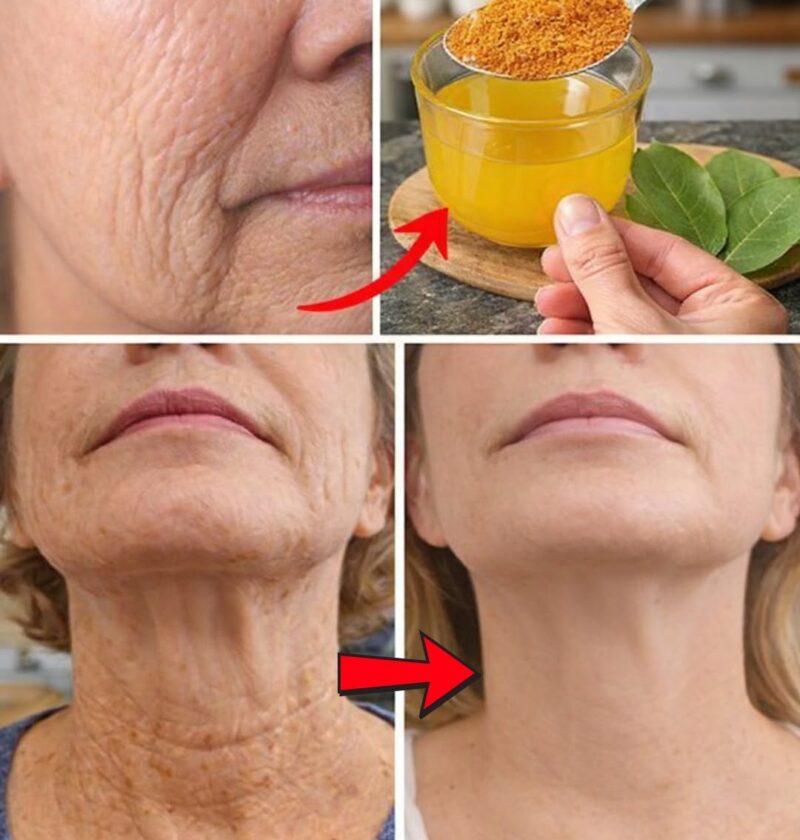
No herb, including bay leaf, is “1,000,000× stronger than Botox,” and it cannot erase wrinkles—at any age.
Let’s break it down clearly.
🍃 What bay leaf actually is
bay leaf is a common cooking herb used for flavor in soups and stews. It contains small amounts of:
- Antioxidants
- Essential oils
- Mild anti-inflammatory compounds
But these are nutritional-level effects, not medical anti-aging treatments.
💉 What Botox actually does
Botox (botulinum toxin) works by:
- Temporarily relaxing facial muscles
- Reducing dynamic wrinkles (like forehead lines, crow’s feet)
- Producing visible cosmetic changes within days
It is a medical neurotoxin treatment, not a food or herb.
🚫 Why the claim is false
1. Bay leaf cannot affect facial muscles
Wrinkles are caused by:
- Muscle movement
- Collagen loss
- Skin aging
Bay leaf does not reach or alter these systems.
2. No topical or dietary “wrinkle eraser” exists
Eating or boiling herbs:
- Does not rebuild collagen instantly
- Does not paralyze muscles
- Does not reverse aging tissue
At best, good nutrition supports skin health slowly over time.
3. “1,000,000× stronger” has no scientific meaning
This is marketing language used in viral videos—not a medical measurement.
🧠 What bay leaf can realistically do
It may:
- Add antioxidants to diet
- Support digestion mildly
- Add flavor without calories
But it will NOT:
- Remove wrinkles
- Replace cosmetic procedures
- Reverse aging skin
🟢 What actually helps wrinkles (evidence-based)
If the goal is skin aging improvement, real options include:
- Sunscreen (most important)
- Retinoids (vitamin A derivatives)
- Moisturizers
- Healthy diet (protein, vitamin C, healthy fats)
- Medical treatments (like Botox, fillers, lasers)
⚠️ Bottom line
Bay leaf is a cooking herb. Botox is a medical treatment. They are not comparable in strength, effect, or function.
If you want, I can explain:
- natural ways to improve skin aging that do have evidence
- or why so many “senior miracle cure” videos go viral online
- or what actually slows wrinkle formation the most after age 40–70