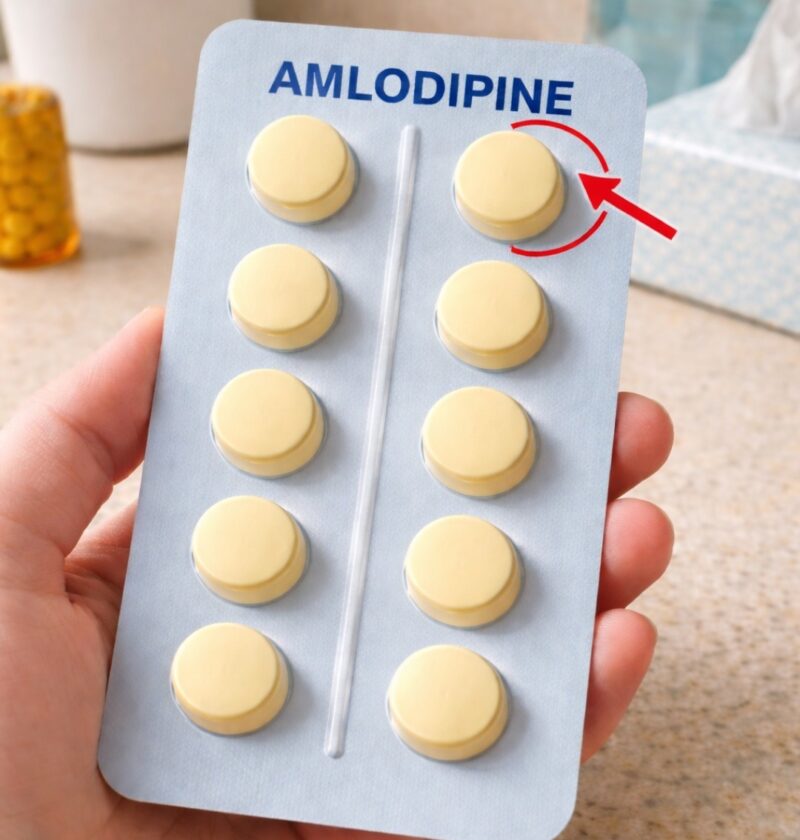
Amlodipine is a calcium channel blocker used for high blood pressure and sometimes chest pain. It works well, but certain daily habits can reduce its effectiveness or worsen side effects like swelling, dizziness, or low blood pressure.
Here are 8 habits you should avoid (or reduce) while taking amlodipine—and why:
1. Drinking grapefruit juice regularly
Grapefruit can interfere with how amlodipine is broken down in the liver (CYP3A4 enzyme).
👉 This can lead to higher drug levels, causing more side effects like:
- dizziness
- flushing
- swelling in feet
2. Eating a very high-salt diet
Too much sodium works directly against blood pressure medication.
👉 It can:
- keep BP high despite treatment
- increase water retention and swelling
3. Skipping doses or inconsistent timing
Amlodipine works best when levels stay steady in your body.
👉 Missing doses can cause:
- BP fluctuations
- reduced protection for heart and arteries
4. Drinking excess alcohol
Alcohol can lower blood pressure temporarily but later worsen it and amplify side effects.
👉 Combined effects may cause:
- dizziness or fainting
- irregular BP control
5. Using painkillers like NSAIDs too often (ibuprofen, diclofenac)
Frequent NSAID use can reduce the effect of blood pressure medicines.
👉 This may:
- raise blood pressure
- stress kidneys over time
6. Taking decongestants for colds without caution (like pseudoephedrine)
These medications constrict blood vessels.
👉 They can:
- increase blood pressure
- counteract amlodipine’s effect
7. Smoking
Nicotine tightens blood vessels and increases heart strain.
👉 It directly works against what amlodipine is trying to fix:
- higher BP
- higher risk of heart disease
8. Standing up too quickly / ignoring hydration
Amlodipine can cause mild blood vessel relaxation, especially when starting or increasing dose.
👉 Poor hydration or sudden standing can lead to:
- dizziness
- lightheadedness
- rare fainting episodes
Important note
Amlodipine is generally well tolerated, and most people can take it safely long-term. The goal isn’t perfection—it’s avoiding habits that consistently push blood pressure in the wrong direction or worsen side effects.
If you want, I can also list:
- foods that help amlodipine work better
- common side effects and how to manage them
- or warning signs that mean you should contact a doctor early