🌿 What guava leaves actually are
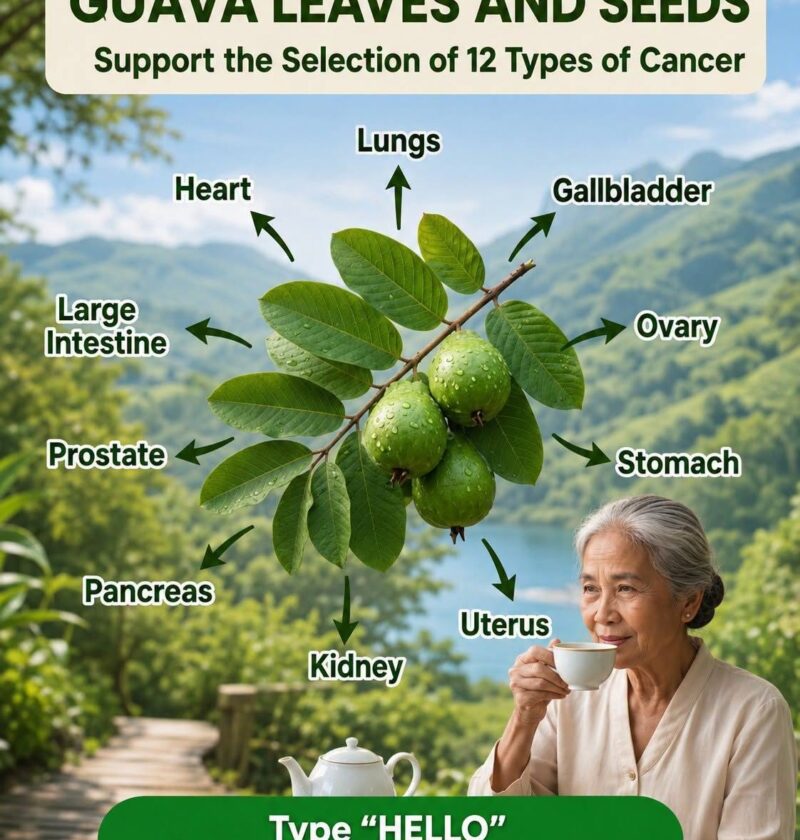
Leaves from the guava plant (Guava tree) have been used in traditional medicine in parts of Asia and Latin America for centuries, usually as tea or decoctions.
They contain compounds like:
- flavonoids
- tannins
- antioxidants
🧪 What potential benefits have some evidence
🍃 1. Blood sugar support
Some small studies suggest guava leaf extract may:
- slightly reduce post-meal blood sugar spikes
- slow carbohydrate absorption
⚠️ Not a replacement for diabetes medication.
🦷 2. Oral health
Traditional use and some research suggest:
- antibacterial effects in the mouth
- may help reduce plaque and gum inflammation
🧠 3. Antioxidant and anti-inflammatory effects
Lab studies show:
- antioxidant activity
- mild anti-inflammatory properties
But human clinical effects are limited.
🤢 4. Digestion support (traditional use)
- may help mild diarrhea (due to astringent tannins)
- sometimes used for stomach discomfort
⚠️ What is NOT proven
Despite viral claims, guava leaves are NOT proven to:
- cure diabetes
- detox the body
- treat infections
- cause rapid weight loss
- replace medical treatment
☕ How people usually use them
- boiled as tea (most common)
- dried leaf infusion
- sometimes topical rinses
🧠 Safety notes
Generally safe in moderate tea amounts, but:
- may lower blood sugar too much if combined with diabetes medication
- can cause stomach upset in some people
- not recommended in high concentrated doses without guidance
🧾 Bottom line
Guava leaves are a traditional herbal remedy with some mild, supportive effects, especially for blood sugar and digestion—but they are not a “miracle plant.”
If you want, I can compare guava leaves with other trending herbs (like moringa, neem, or cinnamon) and tell you which ones actually have stronger evidence.