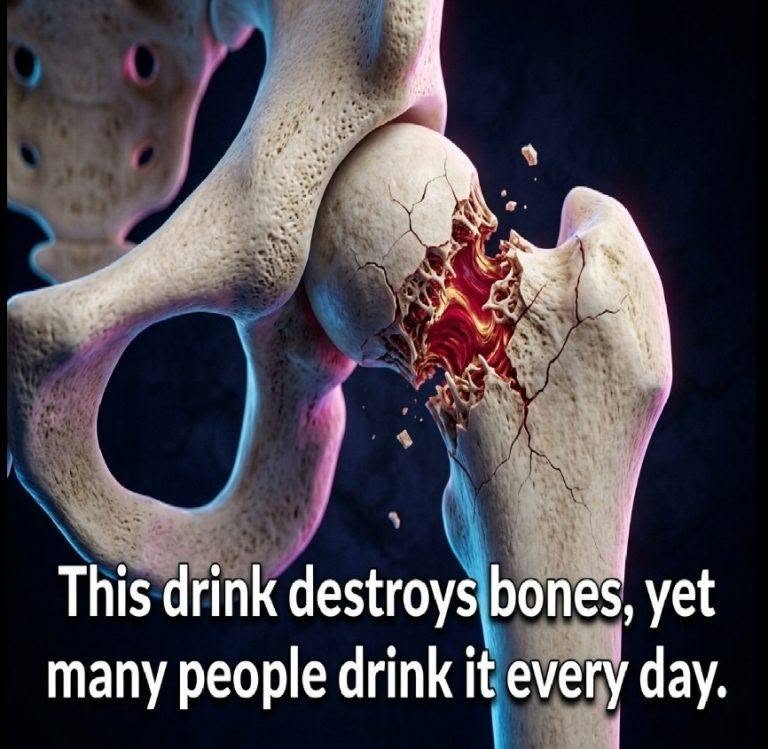
Health experts commonly point to these five types of drinks as being the most likely to contribute to poorer bone health when consumed frequently or in large amounts:
1. Soft Drinks (Especially Cola)


Cola beverages have been associated with lower bone mineral density in some studies. Possible reasons include:
- High phosphoric acid content
- Replacing milk or other calcium-rich drinks in the diet
- High sugar content
Occasional consumption is unlikely to harm healthy bones, but heavy daily intake may increase risk over time.
2. Excessive Alcohol


Drinking heavily can:
- Reduce bone formation
- Interfere with calcium absorption
- Increase the risk of falls and fractures
Moderate drinking appears less concerning, but chronic heavy alcohol use is a well-established risk factor for osteoporosis.
3. Highly Sugary Drinks
Examples include:
- Sweetened iced teas
- Energy drinks
- Fruit-flavored beverages
- Sodas
High sugar intake may promote inflammation and can displace healthier beverages such as milk, fortified plant milks, or water.
4. Excessive Caffeinated Drinks


Large amounts of caffeine may slightly increase calcium loss through urine. For most adults, moderate caffeine intake (about 3–4 cups of coffee daily) is generally considered safe if calcium intake is adequate.
The concern is greatest when:
- Caffeine intake is very high
- Calcium intake is low
- The person is older or at risk for osteoporosis
5. Unfortified Sweetened Specialty Drinks
Examples:
- Sugary coffee beverages
- Sweetened milkshakes
- Some flavored drinks with little nutritional value
These drinks can contribute excess calories and sugar while providing few nutrients that support bone health.
Drinks That Help Bones
Instead of focusing only on what to avoid, experts recommend:
- Milk and dairy products
- Calcium-fortified plant milks
- Water
- Protein-rich drinks
- Vitamin D–fortified beverages
Bone health depends on more than beverages alone. Adequate calcium, vitamin D, protein, resistance exercise, and avoiding smoking are among the most important factors in preventing Osteoporosis and fractures.