Atorvastatin is a widely prescribed medication used to lower cholesterol and reduce the risk of heart disease and stroke.
It belongs to a group of drugs called statins, which are among the most commonly used medicines worldwide for long-term prevention of cardiovascular problems.
🧠 What atorvastatin does
Atorvastatin works by:
- Blocking an enzyme in the liver that produces cholesterol (HMG-CoA reductase)
- Lowering LDL (“bad”) cholesterol
- Slightly increasing HDL (“good”) cholesterol
- Reducing triglycerides (fat in the blood)
❤️ Why it is commonly prescribed
Doctors prescribe atorvastatin because high cholesterol is a major risk factor for:
- Heart attack
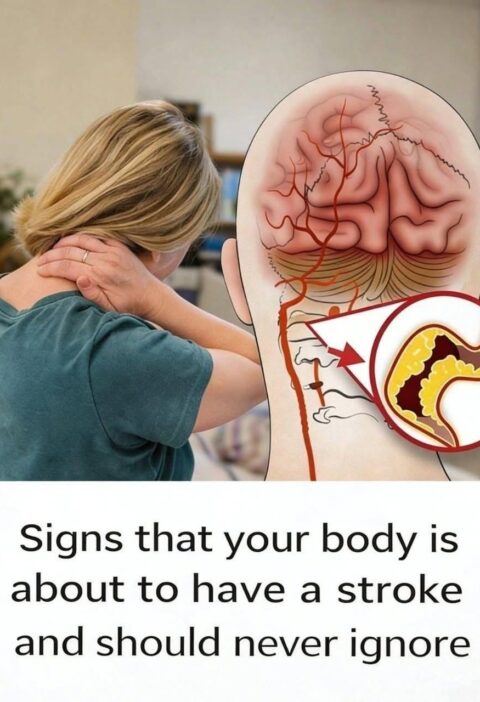
- Stroke
- Blocked arteries (atherosclerosis)
It is especially common in people who:
- Already had a heart attack or stroke
- Have diabetes
- Have high LDL cholesterol
- Have a strong family history of heart disease
🛡️ Key benefits
- Lowers risk of heart attacks and strokes
- Slows buildup of fatty plaques in arteries
- Helps prevent future cardiovascular events
- Works well even in long-term use
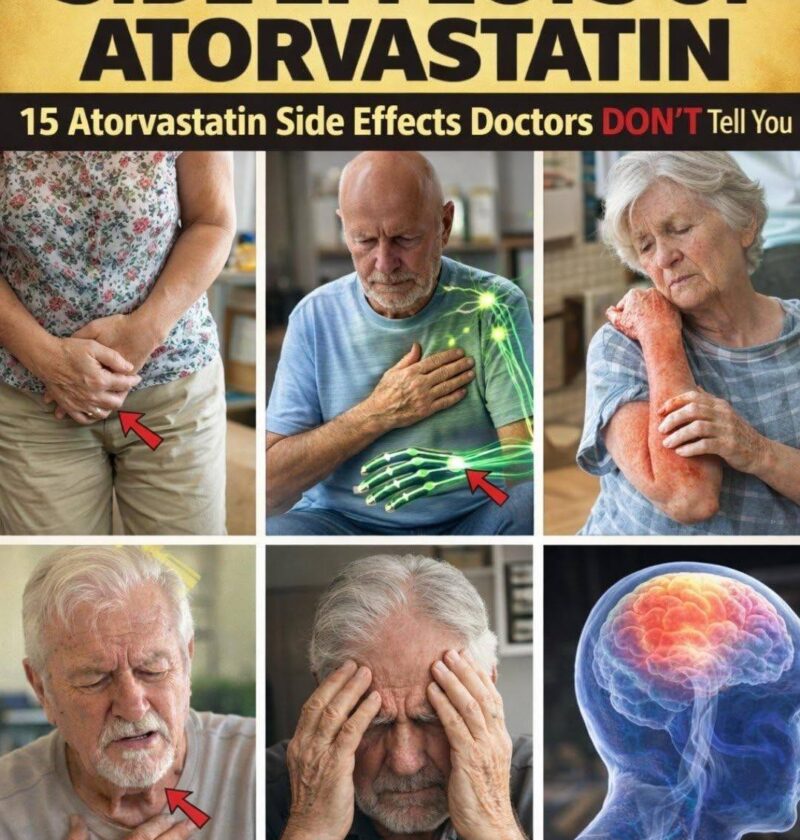
⚠️ Possible side effects
Most people tolerate it well, but some may experience:
- Muscle pain or weakness
- Mild digestive issues
- Headache
- Rarely, liver enzyme changes
Serious side effects are uncommon but should be checked by a doctor if symptoms persist.
🧠 Important point
Atorvastatin does not “cure” cholesterol—it controls it long-term, so it is usually taken regularly as part of a broader lifestyle plan (diet, exercise, etc.).
Bottom line
Atorvastatin is common because it is effective, well-studied, and significantly reduces the risk of heart attacks and strokes in high-risk people.
If you want, I can explain who should take statins vs who can manage cholesterol without medication in a simple way.