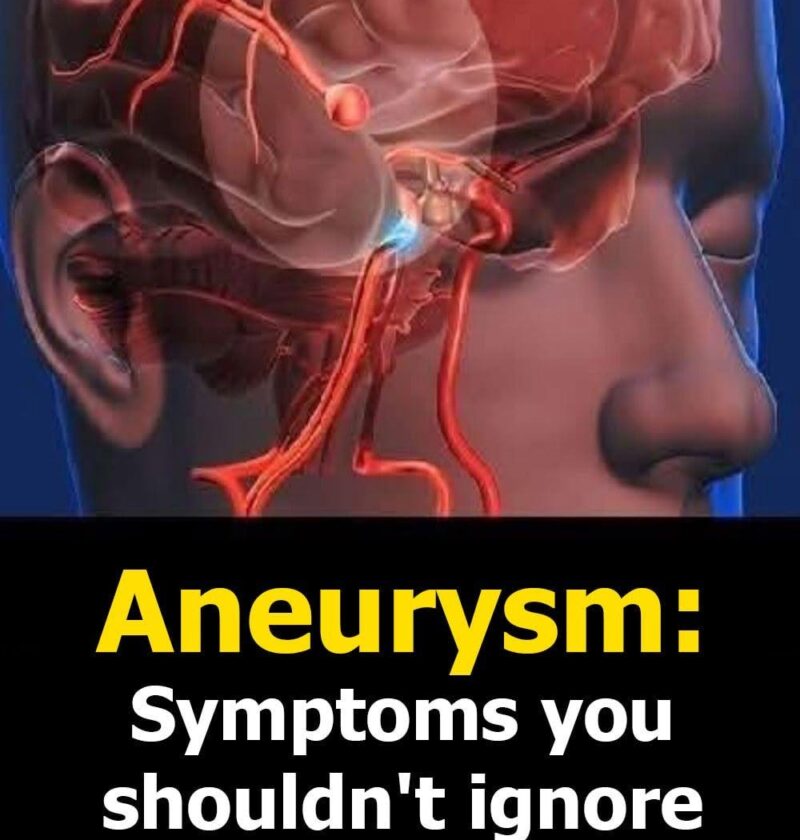
Aneurysm: Signs You Shouldn’t Ignore
Introduction
An aneurysm is a serious medical condition where a blood vessel wall weakens and bulges outward like a balloon. It can occur in different parts of the body, most dangerously in the brain (cerebral aneurysm) and the aorta (aortic aneurysm). The biggest risk is rupture, which can lead to life-threatening internal bleeding or stroke.
The danger of aneurysms is that they often develop silently. Many people have no symptoms until a rupture or rapid expansion occurs. However, in some cases, warning signs appear—and recognizing them early can save a life.
What Is an Aneurysm?
An aneurysm forms when pressure from blood flow pushes against a weakened artery wall. Over time, this weak spot expands.
Common types include:
- Brain aneurysm (cerebral aneurysm)
- Aortic aneurysm (chest or abdominal)
- Peripheral aneurysm (in arms or legs, less common)
Warning Signs You Shouldn’t Ignore
1. Sudden, Severe Headache (Brain Aneurysm Warning)
A sudden and extremely intense headache—often described as “the worst headache of my life”—can signal a leaking or ruptured brain aneurysm.
It may be accompanied by:
- Nausea or vomiting
- Stiff neck
- Sensitivity to light
- Loss of consciousness
This is a medical emergency.
2. Blurred or Double Vision
An enlarging brain aneurysm can press on nearby nerves, causing vision problems such as:
- Double vision
- Blurred vision
- Drooping eyelid
- Sudden loss of vision in one eye
These symptoms should never be ignored.
3. Pain in the Chest, Back, or Abdomen (Aortic Aneurysm)
Aortic aneurysms often grow silently, but may cause pain when they enlarge.
Possible signs include:
- Deep, constant chest pain
- Back pain between the shoulder blades
- Abdominal or flank pain
- A pulsing feeling in the abdomen
If the aneurysm ruptures, pain becomes sudden and severe.
4. Shortness of Breath or Difficulty Breathing
A large thoracic (chest) aortic aneurysm may press against the lungs or airways, causing:
- Breathlessness
- Wheezing
- Coughing
- Pressure in the chest
5. Pulsating Lump (Abdominal Aneurysm)
Some people may feel a pulsating mass in the abdomen, especially when lying down.
This is more noticeable in thinner individuals and may indicate an abdominal aortic aneurysm.
6. Neurological Symptoms (Before or During Rupture)
If a brain aneurysm leaks or presses on brain tissue, symptoms may include:
- Sudden dizziness
- Weakness or numbness in one side of the body
- Difficulty speaking
- Confusion
- Seizures
These are emergency warning signs.
Risk Factors for Aneurysms
Certain conditions and lifestyle factors increase risk:
- High blood pressure
- Smoking
- Atherosclerosis (hardening of arteries)
- Family history of aneurysm
- Age over 50
- Heavy alcohol use
- Genetic connective tissue disorders
When to Seek Emergency Help
Call emergency services immediately if you experience:
- Sudden, severe headache
- Collapse or loss of consciousness
- Sudden chest or abdominal pain
- Stroke-like symptoms
- Sudden vision or speech changes
A ruptured aneurysm can be fatal within minutes to hours without treatment.
Can Aneurysms Be Prevented?
While not all aneurysms can be prevented, risk can be reduced by:
- Controlling blood pressure
- Quitting smoking
- Eating a heart-healthy diet
- Exercising regularly
- Managing cholesterol
- Getting regular medical checkups if at risk
Conclusion
An aneurysm is often silent until it becomes dangerous, but warning signs such as sudden severe headache, vision changes, chest or abdominal pain, and neurological symptoms should never be ignored. Early detection and emergency care are critical to survival.
If any of these symptoms appear suddenly, treat it as a medical emergency—quick action can save a life.