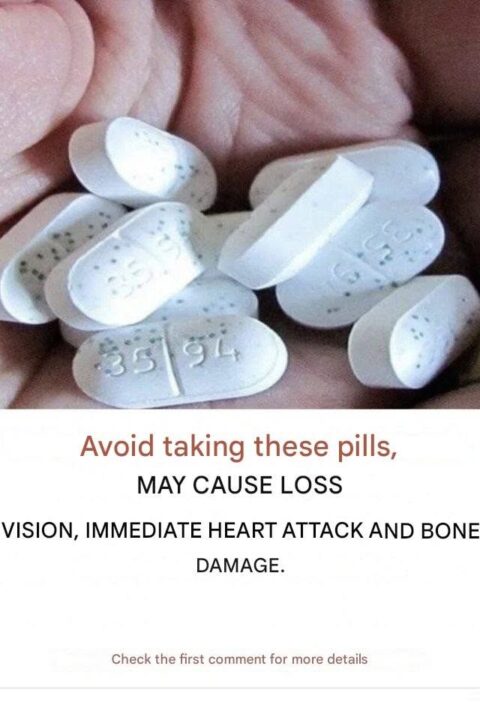
Why People Take Vitamin D
Vitamin D (Vitamin D) helps the body:
- Absorb calcium and phosphorus
- Maintain strong bones and teeth
- Support immune system function
- Reduce risk of deficiency-related bone disorders
Many people take it because deficiency is common in individuals who:
- Spend little time in sunlight
- Have darker skin pigmentation
- Are older adults
- Have poor dietary intake
- Live in regions with limited sun exposure
The Main Warning: Overdose Is Possible
Pharmacists emphasize that one of the biggest risks is taking too much vitamin D over time.
Unlike water-soluble vitamins, vitamin D is fat-soluble, meaning it can accumulate in the body.
What too much vitamin D can cause:
- High calcium levels in the blood (hypercalcemia)
- Nausea and vomiting
- Weakness and fatigue
- Frequent urination and dehydration
- Kidney stones or kidney damage
- Confusion in severe cases
In extreme cases, long-term overdose can lead to serious organ complications.
Common Mistakes People Make
1. Taking High Doses Without Testing
Many people take supplements without checking their blood levels. This increases the risk of unnecessary high intake.
2. Combining Multiple Supplements
Vitamin D is often present in:
- Multivitamins
- Calcium supplements
- Bone health formulas
People may unknowingly stack doses.
3. “More Is Better” Thinking
Some believe higher doses lead to better immunity or stronger bones. In reality, excess vitamin D does not provide extra benefit and can become harmful.
Safe Use Guidelines (General)
Health professionals typically recommend:
- Using vitamin D only when needed or prescribed
- Following recommended daily intake guidelines
- Getting blood levels checked if taking long-term supplements
- Avoiding high-dose self-medication unless supervised
Safe dosage varies by age, health condition, and region, so individual advice from a doctor or pharmacist is important.
Who Should Be Extra Careful?
Certain groups need closer monitoring when taking vitamin D:
- Older adults
- People with kidney disease
- Individuals with calcium disorders
- Those taking high-dose supplements long-term
- People on multiple medications affecting calcium levels
When to Seek Medical Advice
You should consult a healthcare professional if you experience:
- Persistent nausea or vomiting
- Unexplained fatigue
- Frequent thirst or urination
- Muscle weakness
- Confusion or dizziness
These may be signs of excessive vitamin D or high calcium levels.
The Bottom Line
Vitamin D is essential for health, but it should be taken responsibly. The pharmacist’s warning is not to avoid it, but to use it wisely, in correct doses, and with medical awareness when needed.
Balanced sun exposure, a healthy diet, and proper supplementation under guidance are the safest ways to maintain healthy vitamin D levels without risking side effects.
If you want, I can also turn this into:
- a short viral Facebook post
- a YouTube script
- or a simple infographic-style summary