1. Severe Swelling (Edema)
Swelling in the ankles, feet, or legs is one of the most common side effects.
However, sudden or severe swelling may indicate fluid retention problems or worsening heart function.
2. Fast or Irregular Heartbeat
Amlodipine can sometimes cause:
- Palpitations
- Racing heart
- Irregular heartbeat
If these symptoms are frequent or severe, medical evaluation is important.
3. Chest Pain (Worsening Angina)
Although used to treat angina, in rare cases it may cause:
- Increased chest pain
- Tightness in the chest
- Discomfort during rest or activity
This should be treated as urgent.
4. Severe Dizziness or Fainting
Because it lowers blood pressure, it may cause dizziness.
But fainting or near-fainting episodes can be a sign of dangerously low blood pressure.
5. Shortness of Breath
Breathing difficulty may indicate:
- Fluid buildup
- Heart-related complications
- Allergic reaction (rare)
This requires prompt medical attention.
6. Severe Fatigue or Weakness
Mild tiredness is common, but extreme fatigue may suggest:
- Low blood pressure
- Heart strain
- Electrolyte imbalance
7. Severe Headache
Headaches can occur when blood vessels relax too quickly.
However, intense or persistent headaches should not be ignored.
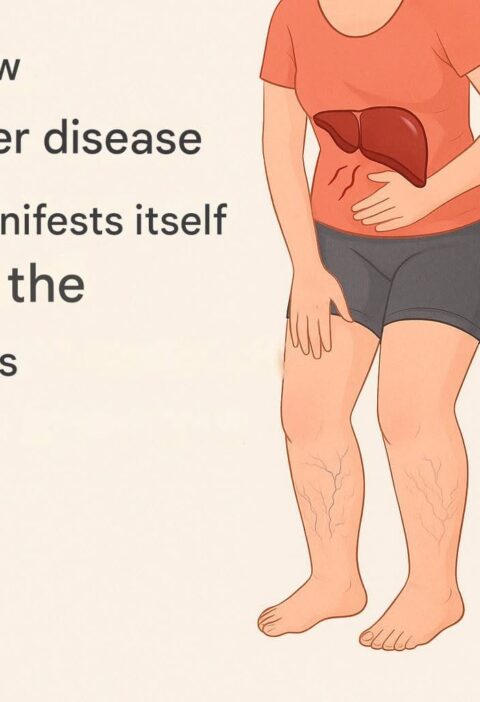
8. Liver Problems (Rare but Serious)
Signs may include:
- Yellowing of skin or eyes (jaundice)
- Dark urine
- Upper abdominal pain
- Nausea
These may indicate liver stress or injury.
9. Allergic Reactions
Though rare, serious allergic reactions can occur:
- Rash or itching
- Swelling of face, lips, or tongue
- Difficulty breathing
This is a medical emergency.
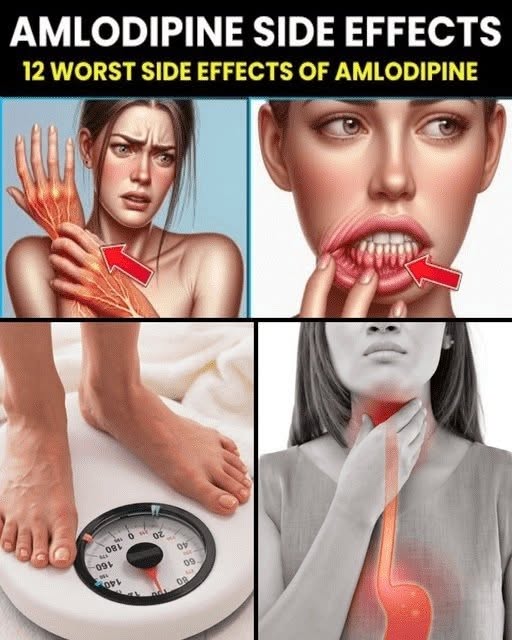
10. Gum Swelling (Gingival Overgrowth)
Some patients experience:
- Swollen gums
- Bleeding while brushing
- Gum tenderness
Good oral hygiene can help reduce risk.
11. Severe Flushing or Heat Sensation
Amlodipine can cause blood vessel dilation leading to:
- Redness of face
- Warmth or burning sensation
- Sweating episodes
If severe or persistent, it should be checked.
12. Worsening Heart Failure Symptoms
In people with existing heart problems, it may worsen symptoms such as:
- Swollen legs
- Shortness of breath
- Rapid weight gain
- Fatigue
This requires immediate medical review.
When to Seek Emergency Help
Get urgent medical care if you experience:
- Chest pain that does not improve
- Fainting
- Severe shortness of breath
- Swelling of face or throat
- Sudden irregular heartbeat
Important Note
Most people taking Amlodipine do not experience severe side effects. It is widely considered safe and effective when used under medical supervision.
Never stop taking it suddenly without consulting a doctor, as this can worsen blood pressure or heart conditions.
Conclusion
Amlodipine is an important medication for controlling blood pressure and preventing heart complications. While most side effects are mild, serious symptoms like chest pain, severe swelling, breathing difficulty, or fainting should never be ignored.
If anything feels unusual after starting the medication, it is always safer to consult a healthcare professional early rather than wait for symptoms to worsen.