Here are 10 practical warning signs linked to high sugar intake, especially from added sugars (not natural sugars in fruit or milk).
🍬 10 signs you may be eating too much sugar
1) Frequent energy crashes
You feel a quick “boost” after sweet foods, then a sharp drop in energy or alertness.
2) Increased cravings for sweets
The more added sugar you eat, the more your brain tends to want it again shortly after.
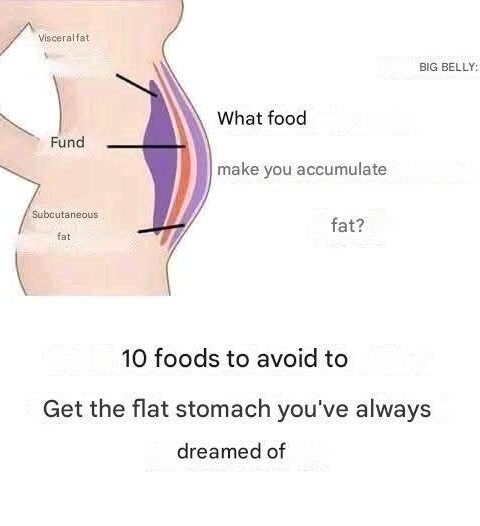
3) Weight gain (especially around the abdomen)
High sugar intake can increase overall calorie intake and fat storage over time.
4) Constant hunger
Sugary foods don’t keep you full for long, leading to repeated snacking.
5) Acne or skin flare-ups (in some people)
High-glycemic diets may worsen acne in sensitive individuals.
6) Brain fog or difficulty concentrating
Blood sugar swings can affect focus and mental clarity.
7) Tooth problems
Frequent sugar exposure increases risk of cavities and enamel damage.
8) Mood swings
Rapid blood sugar changes can affect irritability, anxiety, or low mood.
9) Poor sleep quality
Late-night sugar intake can interfere with sleep depth or cause restlessness.
10) You’re often thirsty
High sugar intake can contribute to dehydration-like feelings in some cases.
🧠 Important reality check
- These signs are not specific to sugar alone—they can come from stress, poor sleep, or overall diet imbalance.
- The bigger issue is usually added sugar in processed foods, not natural sugars in fruit or dairy.
- Long-term excess sugar intake increases risk of insulin resistance and metabolic problems, including conditions like Type 2 Diabetes.
🍽️ Simple guideline
Health organizations generally suggest limiting added sugar to under ~10% of daily calories, and ideally lower for better health.
If you want, I can review a typical daily diet and estimate how much hidden sugar you’re actually getting—it’s often more than people expect.