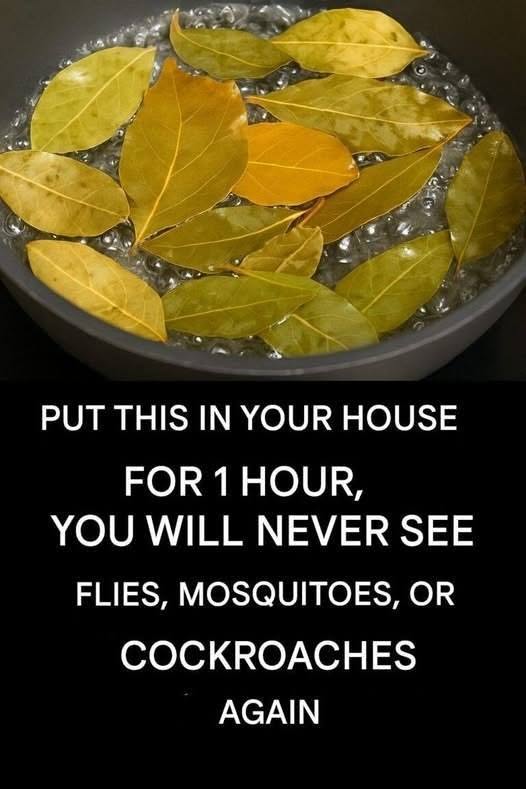
This is another “viral hack” that’s partly based on real properties of a plant—but usually exaggerated.
What bay leaves actually are
Bay leaf come from the bay laurel plant and contain natural aromatic compounds like eucalyptol and linalool. These give them a strong smell that some insects tend to avoid.
Does the “bay leaf trick” really keep insects away?
✔ What has some truth:
- The scent can mildly repel some pantry pests (like ants or weevils) in small, enclosed spaces
- They are sometimes placed in rice, flour, or spice containers as a preventive measure
- They are non-toxic and safe for food storage areas
❌ What is exaggerated:
- They do not eliminate infestations
- They are not strong enough to protect an entire house
- They do not reliably repel mosquitoes, cockroaches, or flies in open spaces
Why people think it works
- Strong smell may temporarily deter certain insects
- In very small containers, concentration is higher
- If pests were already declining, bay leaves get credit unfairly
- It spreads easily as a “natural hack” on social media
What actually works better for insect control
If the goal is real prevention, these are more effective:
- Proper food storage (airtight containers)
- Regular cleaning of crumbs and grease
- Fixing water leaks (reduces cockroach attraction)
- Mesh screens on windows
- Targeted pest control methods if there’s an infestation
Bottom line
Bay leaves can be a mild, natural preventive smell barrier in stored food, but they are not a reliable insect control solution for your home.
If you want, I can share a list of actually effective natural pest control methods that don’t rely on myths.