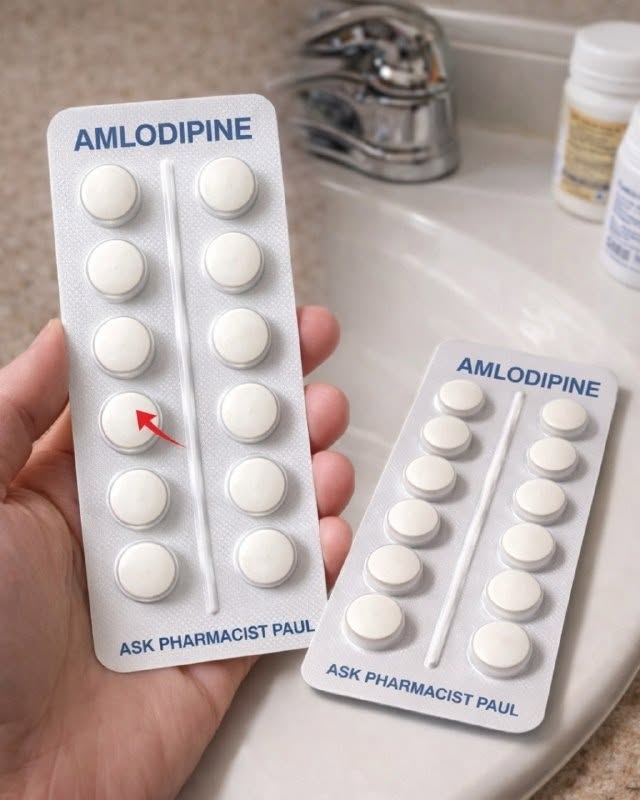
Here are 8 habits worth changing or avoiding—and why they matter:
1. Taking very high-salt foods regularly
Amlodipine lowers blood pressure, but too much salt works against it.
Why it matters:
- Salt raises blood pressure
- Can make the medication seem “less effective”
- May worsen ankle swelling
2. Skipping doses or inconsistent timing
Amlodipine works best when levels stay steady.
Why it matters:
- Irregular use causes blood pressure fluctuations
- Can increase risk of dizziness or headaches
3. Drinking excess alcohol
Alcohol can interfere with blood pressure control.
Why it matters:
- May increase dizziness or fainting risk
- Can unpredictably lower blood pressure
- Strains the cardiovascular system
4. Standing up too quickly (poor hydration + fast posture changes)
Amlodipine can already cause mild lowering of blood pressure.
Why it matters:
- Sudden drops can cause dizziness or falls
- Especially risky in older adults
5. Ignoring leg swelling
A common side effect is ankle or leg swelling.
Why it matters:
- Can worsen if not managed
- May signal dose adjustment is needed
- Often improves with medical review or combination therapy
6. Taking grapefruit or grapefruit juice regularly
This can interfere with how some blood pressure drugs are processed.
Why it matters:
- May increase drug levels in the blood
- Can raise risk of side effects like low blood pressure
7. Sitting for very long periods
Poor circulation + medication effects can contribute to swelling.
Why it matters:
- Increases ankle fluid buildup
- Raises risk of stiffness and poor circulation
8. Stopping exercise completely
Some people reduce activity after starting medication, but that can backfire.
Why it matters:
- Exercise helps blood pressure control
- Improves circulation and reduces swelling risk
- Supports long-term heart health
Important note
Most people tolerate Amlodipine very well. Side effects like swelling or flushing are usually manageable and not dangerous—but they should be discussed with a clinician, not ignored.
Never stop or change the dose suddenly without medical advice.
Bottom line
The issue isn’t “habits making amlodipine dangerous”—it’s habits that work against blood pressure control or amplify side effects.
If you want, I can also list:
- Foods that help amlodipine work better
- Or how to reduce ankle swelling naturally while staying on it