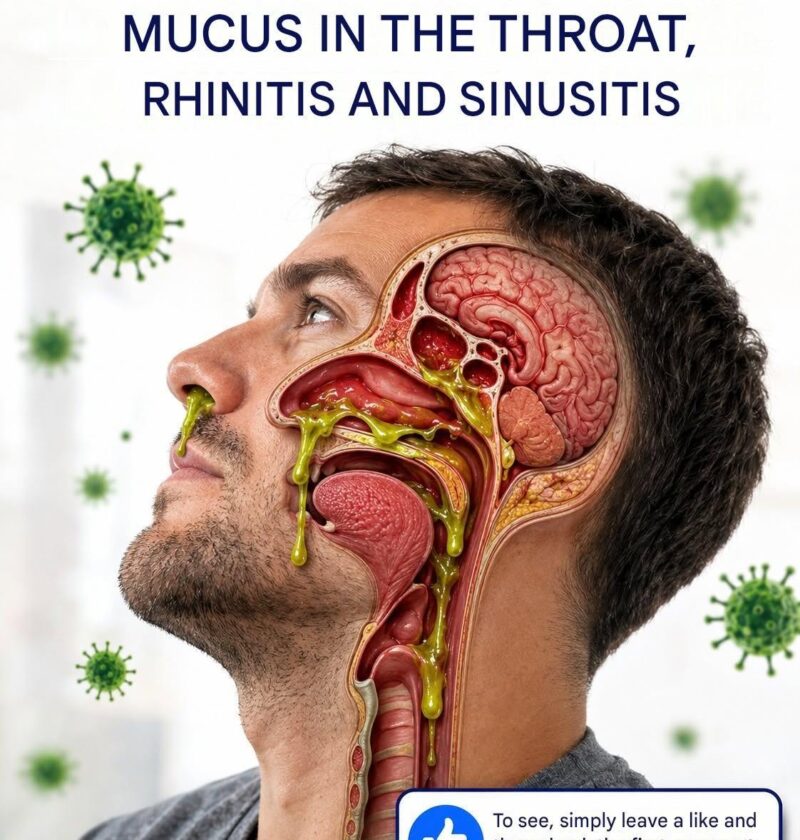
If you’re dealing with mucus, phlegm, and a stuffy or runny nose, home remedies can often help, especially when symptoms are caused by a cold, allergies, or mild irritation.
Ways to loosen mucus and relieve congestion
- Stay well hydrated. Drinking plenty of water, warm tea, or clear broth helps thin mucus so it’s easier to clear.
- Inhale steam. A warm shower or breathing in steam from a bowl of hot (not boiling) water may temporarily relieve nasal congestion.
- Use a saline nasal spray or rinse. A saline rinse can help wash out mucus, allergens, and irritants from the nose. Use sterile, distilled, or previously boiled and cooled water for nasal irrigation.
- Gargle with warm salt water. Mix about ½ teaspoon of salt in a cup of warm water and gargle several times a day to help soothe the throat and clear mucus.
- Use a humidifier. Adding moisture to dry indoor air may reduce irritation and make mucus easier to clear. Clean the humidifier regularly to prevent mold and bacteria growth.
- Elevate your head while sleeping. Sleeping with your head slightly raised can help reduce postnasal drip.
If allergies are the cause
If your symptoms are triggered by allergies (also called Allergic rhinitis):
- Try to avoid known triggers such as pollen, dust mites, or pet dander.
- Shower and change clothes after spending time outdoors during high pollen seasons.
- Keep windows closed when pollen counts are high.
Foods and drinks that may help
- Warm soups or broth
- Herbal tea with honey (for adults and children over 1 year old)
- Citrus fruits if they don’t irritate your throat
- Spicy foods may temporarily help some people clear nasal passages
When to see a healthcare professional
Seek medical advice if:
- Symptoms last longer than 10–14 days without improvement.
- You develop a high fever, severe facial pain, or swelling.
- The mucus is persistently bloody.
- You have difficulty breathing or wheezing.
- Symptoms keep recurring or are significantly affecting your daily life.
The color of mucus (clear, yellow, or green) does not reliably indicate whether an infection is bacterial or viral, so color alone is not usually a reason to start antibiotics. If symptoms are severe, prolonged, or worsening, a healthcare professional can determine whether further evaluation or treatment is needed.