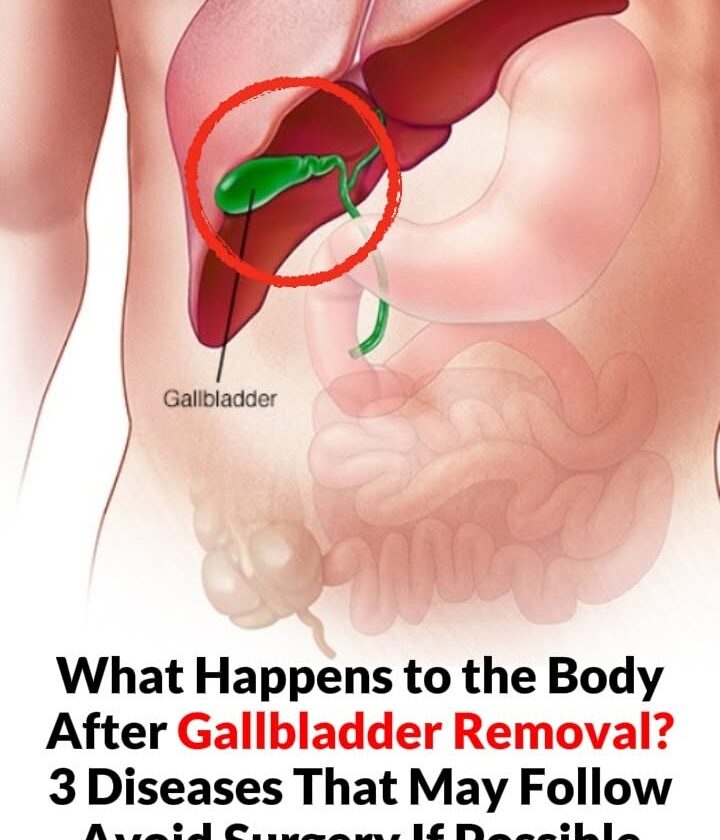
After gallbladder removal (called Cholecystectomy), most people recover well and live normal lives. The liver continues to produce bile, but instead of being stored in the gallbladder, it flows directly into the small intestine.
The headline you shared is more alarming than the medical evidence supports. While there are some possible long-term effects, gallbladder removal is often the recommended treatment when the benefits outweigh the risks—such as for recurrent painful gallstones or complications like infection or inflammation.
Some conditions that can occur after gallbladder removal include:
- Postcholecystectomy syndrome: A small percentage of people experience persistent abdominal pain, bloating, diarrhea, or indigestion. These symptoms may be due to changes in bile flow or another underlying digestive problem.
- Bile acid diarrhea: Continuous bile flow into the intestine can cause chronic diarrhea in some people. This is often treatable with medications that bind bile acids.
- A slightly increased risk of certain digestive conditions, such as Non-alcoholic fatty liver disease or changes in gut bacteria, has been reported in some studies. However, these associations do not mean gallbladder removal directly causes these diseases, and the overall increase in risk is generally small.
Should surgery be avoided if possible?
Not necessarily. Surgery is usually not recommended for gallstones that cause no symptoms. However, it is often the best treatment if you have:
- Repeated attacks of gallstone pain.
- Acute cholecystitis.
- Gallstones blocking the bile duct.
- Gallstone pancreatitis.
Delaying surgery in these situations can lead to serious complications.
How to support digestion after surgery
Many people find it helpful to:
- Eat smaller, more frequent meals during recovery.
- Limit very fatty or greasy foods initially.
- Gradually increase fiber intake to help with diarrhea.
- Stay hydrated and maintain a balanced diet.
If someone develops persistent diarrhea, severe abdominal pain, fever, jaundice, or unexplained weight loss after gallbladder removal, they should seek medical evaluation, as these symptoms may indicate a treatable complication.
In short, gallbladder removal does not inevitably lead to multiple diseases. While some people experience digestive changes or certain complications, most recover well, and when surgery is medically indicated, it can prevent much more serious health problems.