The “vein” of a shrimp is a common kitchen topic, but it’s often misunderstood.
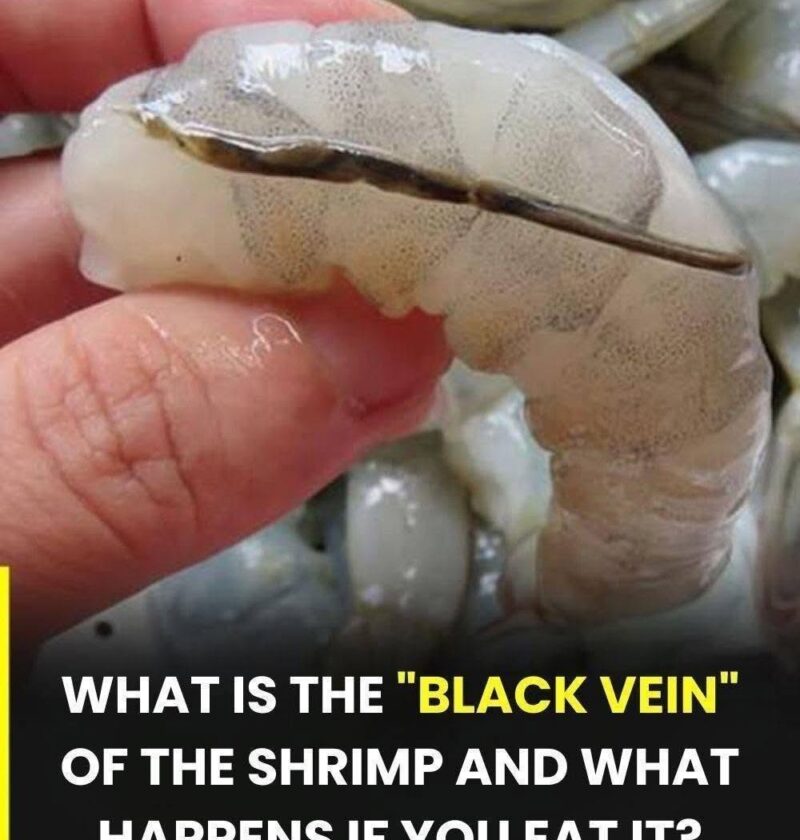
What people call the shrimp vein is actually the digestive tract, not a blood vessel.
🦐 What the “vein” really is
- It’s the shrimp’s intestinal tract
- It can contain:
- Undigested food
- Sand or grit (especially in larger shrimp)
- It runs along the back (dark line) or sometimes the belly
Shrimp don’t have a true blood “vein” like humans—so the term is just culinary slang.
🍽️ Is it safe to eat?
Yes, it is generally safe to eat if:
- The shrimp is properly cooked
- It’s from a clean source
But many people remove it because:
- It can look unappetizing
- It may have a slightly gritty texture
- It improves presentation
🔪 Should you devein shrimp?
It depends:
You can skip deveining if:
- Shrimp are small
- You don’t mind the appearance
- You’re cooking dishes like soups or curries
You should devein if:
- Shrimp are large (prawns)
- You want a cleaner taste/texture
- You’re serving guests or making grilled/fried shrimp
🧽 How to devein shrimp quickly
- Use a small knife or deveining tool.
- Make a shallow cut along the back.
- Lift out the dark line with the tip of the knife.
- Rinse lightly.
💡 Fun fact
In many countries, shrimp are routinely cooked without removing the vein, especially in traditional dishes where flavor and speed matter more than presentation.
If you want, I can also show:
- The easiest “no-mess” way to peel shrimp in 30 seconds
- Or whether it’s better to cook shrimp with shell on for flavor 👍