What atorvastatin actually is
Atorvastatin is a statin used to:
- Lower LDL (“bad”) cholesterol
- Reduce risk of heart attack and stroke
- Protect blood vessels long-term
It is one of the most widely prescribed heart medications worldwide.
Real side effects (what medicine actually knows)
Common (usually mild)
- Muscle aches or soreness
- Mild stomach upset
- Headache
- Fatigue
These are the ones most people hear about from their doctor.
Less common
- Sleep disturbances
- Mild increase in blood sugar (important for diabetics)
- Joint pain
Rare but important
- Severe muscle breakdown (rhabdomyolysis — very rare)
- Liver enzyme changes (usually detected on blood tests)
- Allergic reactions (very rare)
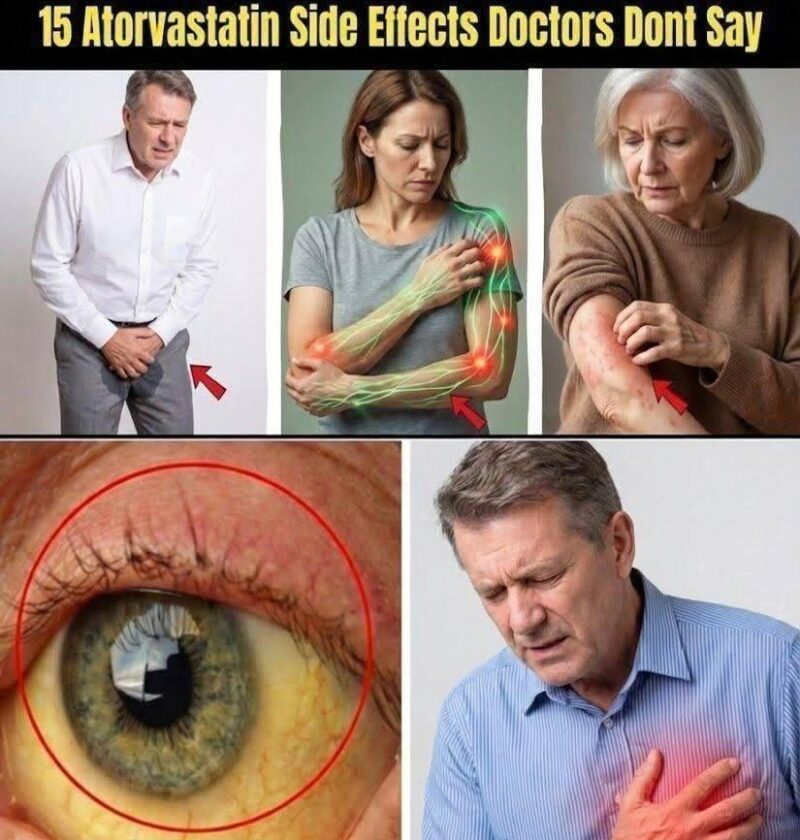
What “hidden dangers” posts get wrong
1. Nothing is hidden
Atorvastatin has been studied in large clinical trials for decades. Side effects are documented, monitored, and openly discussed in medical guidelines.
2. Risk is exaggerated online
Serious side effects are rare, while the benefit—preventing heart attack and stroke—is significant for high-risk patients.
3. No medicine is risk-free
Even common drugs like paracetamol or ibuprofen have risks. The key is benefit vs risk, not fear headlines.
When to contact a doctor
Seek medical advice if you experience:
- unexplained severe muscle pain or weakness
- dark-colored urine
- yellowing of skin or eyes
- persistent unusual fatigue
Bottom line
Atorvastatin does have side effects, but they are well-known, monitored, and usually manageable. The “hidden dangers” framing is misleading and not supported by medical evidence.
If you want, I can also explain how to reduce statin side effects or what alternatives exist if someone can’t tolerate it.