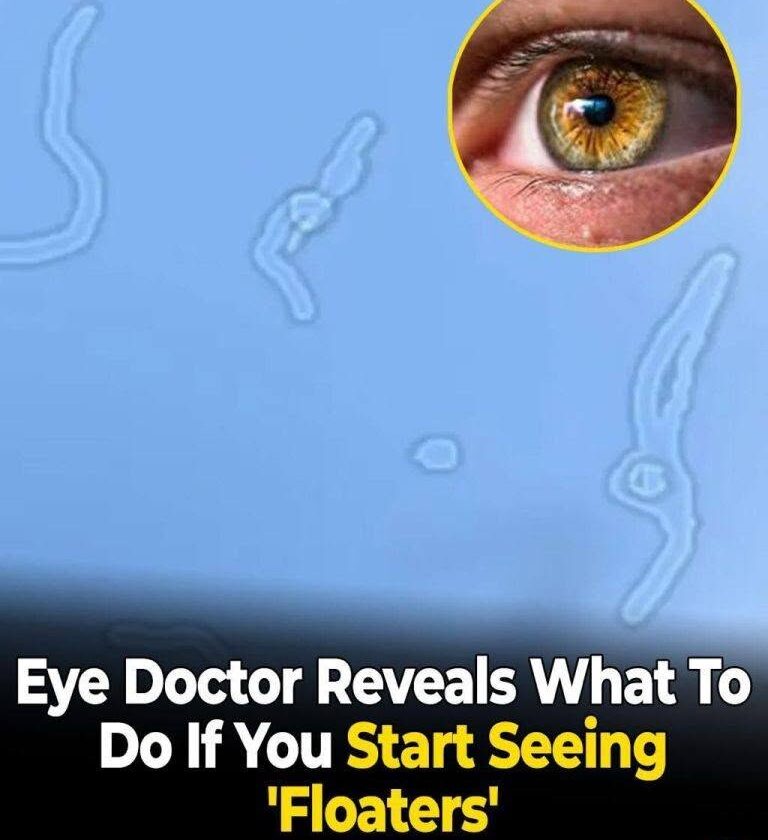
- tiny black dots
- squiggly lines
- cobwebs
- transparent specks
They usually move when your eyes move and seem to “drift away” when you try to look directly at them.
Why do eye floaters happen?
Inside your eye is a gel-like substance called the vitreous. As we age, this gel slowly changes and can form tiny clumps or fibers. These cast shadows on the retina, which you see as floaters.
Common causes include:
- natural aging (very common after 40–50)
- vitreous shrinkage or separation
- nearsightedness (myopia)
- eye inflammation (less common)
Are floaters dangerous?
Most floaters are harmless and normal, especially if they:
- appear gradually
- stay stable over time
- are not accompanied by other symptoms
However, some cases need urgent attention.
When to see an eye doctor immediately
Get urgent care if you notice:
- sudden burst of many new floaters
- flashes of light in your vision
- a “curtain” or shadow over part of your vision
- sudden vision loss
These could signal a retinal tear or detachment, which is a medical emergency.
What you should do if you notice floaters
1. Don’t panic
Most floaters are benign and part of normal aging.
2. Get an eye exam
An eye doctor can examine your retina to rule out serious problems.
3. Monitor changes
Pay attention if:
- they suddenly increase
- your vision changes
- flashes appear
4. Protect eye health
- regular eye checkups
- control diabetes and blood pressure
- wear sunglasses outdoors
Can floaters go away?
- Some floaters become less noticeable over time as the brain adapts
- Others may remain permanently but become less distracting
- In rare severe cases, laser or surgery may be considered
Bottom line
Eye floaters are usually a normal part of aging and are often harmless. The key is to watch for sudden changes, which should always be checked by an eye doctor.
If you want, I can also explain the difference between normal floaters vs dangerous retinal detachment symptoms in a simple checklist.