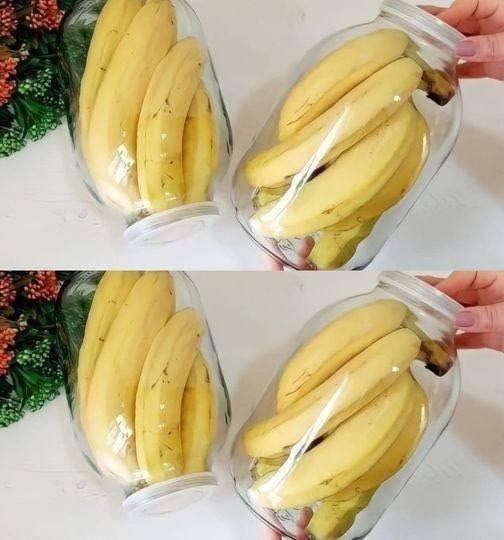
Yes—bananas are popular worldwide, but they do ripen and spoil quickly compared to many other fruits. Here’s a clear explanation of why that happens and how to manage it.
🍌 Why bananas spoil quickly
Banana produce a natural plant hormone called ethylene gas, which speeds up ripening. Once they start ripening:
- The starch turns into sugar (they become sweeter and softer)
- The peel changes from green → yellow → brown → black
- The fruit eventually becomes overripe and mushy
Because bananas produce ethylene, they also speed up the ripening of nearby fruits.
🧊 How to make bananas last longer
1. Separate them from other fruits
Keep bananas away from apples, tomatoes, and other ethylene-producing fruits.
2. Wrap the stems
Covering the banana stem with plastic wrap or foil slows down ethylene release and can delay ripening.
3. Refrigerate when ripe
- Once bananas are yellow and ripe, you can put them in the fridge
- The peel may turn brown, but the inside stays fresh longer
4. Freeze for long storage
- Peel and freeze bananas
- Great for smoothies, baking, or “nice cream”
🧠 Bottom line
Bananas spoil quickly mainly because of their natural ripening process, not because they are low quality. With simple storage tricks, you can significantly extend their shelf life and reduce waste.
If you want, I can also show you how to stop bananas from turning black in 24 hours (a common kitchen problem).