Here’s a clear, complete, and medically accurate guide on aneurysm warning signs and what you should actually watch for.
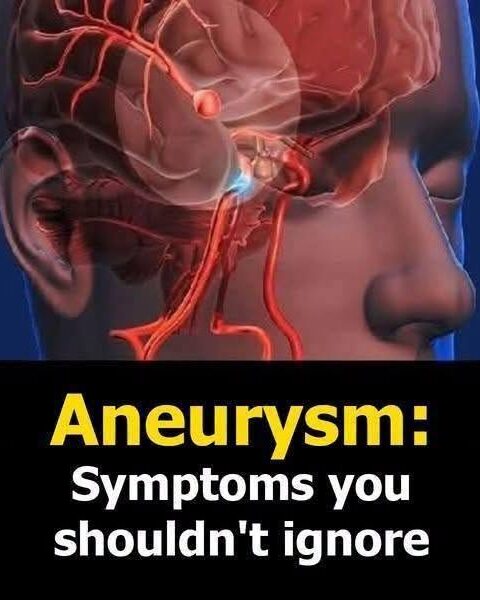
🧠 Aneurysm: Signs You Shouldn’t Ignore
Aneurysm is a condition where a blood vessel wall becomes weak and balloons outward. It can occur in the brain, aorta (main artery), or other blood vessels.
Most aneurysms grow slowly and cause no symptoms until they become large—or rupture. A rupture is a medical emergency.
⚠️ Types of Aneurysms
1. Brain aneurysm (cerebral)
Occurs in blood vessels of the brain.
2. Aortic aneurysm
Occurs in the aorta (chest or abdomen).
3. Peripheral aneurysm
Occurs in arms, legs, or other arteries (less common).
🚨 Warning Signs You Should Never Ignore
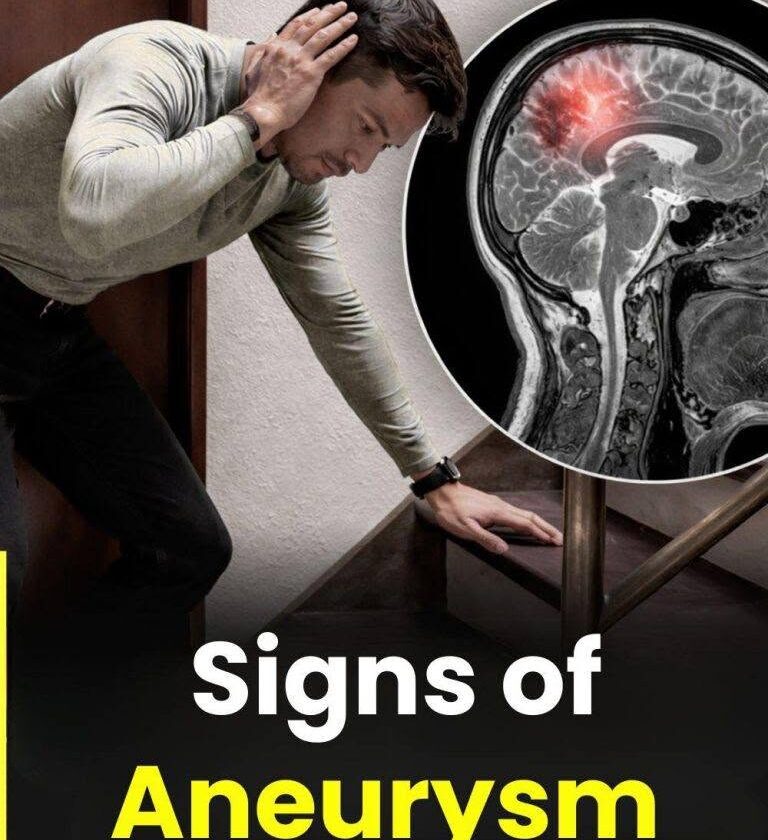
🧠 Brain aneurysm symptoms
Unruptured aneurysms may have no symptoms, but warning signs can include:
- Sudden, severe headache (“worst headache of life”)
- Blurred or double vision
- Drooping eyelid
- Pain above or behind the eye
- Numbness or weakness on one side of the face
- Difficulty speaking
💥 If it ruptures:
This is a life-threatening emergency:
- Sudden explosive headache
- Neck stiffness
- Loss of consciousness
- Seizures
- Nausea and vomiting
- Confusion
❤️ Aortic aneurysm symptoms
Often silent until large or ruptured.
Chest (thoracic) aneurysm signs:
- Chest pain or pressure
- Back pain
- Shortness of breath
- Hoarseness or cough
Abdominal aneurysm signs:
- Deep, constant abdominal pain
- Pulsating feeling near the navel
- Back pain
- Sudden collapse (if ruptured)
🦵 Peripheral aneurysm signs (less common)
- Pain or swelling in limb
- A pulsating mass
- Reduced blood flow to hand/foot
🚨 Emergency Warning (Important)
Call emergency services immediately if you experience:
- Sudden severe headache unlike anything before
- Fainting or collapse
- Sudden chest or back tearing pain
- Sudden neurological symptoms (speech, vision, weakness)
These can indicate a rupture, which can be fatal without immediate treatment.
🧬 Risk Factors
You are at higher risk if you have:
- High blood pressure
- Smoking history
- Family history of aneurysm
- Atherosclerosis (hardening of arteries)
- Older age
- Connective tissue disorders
🛡️ Prevention & Management
While not all aneurysms can be prevented, risk can be reduced:
- Control blood pressure
- Stop smoking
- Manage cholesterol
- Regular checkups if high-risk
- Imaging scans for known family history
Small aneurysms are often monitored, while larger ones may need surgical repair or endovascular treatment.
🧾 Key Takeaway
Aneurysms are often silent—but when symptoms appear, especially sudden severe headache or chest/back pain, they should be treated as urgent medical emergencies.
Early detection is the best protection.