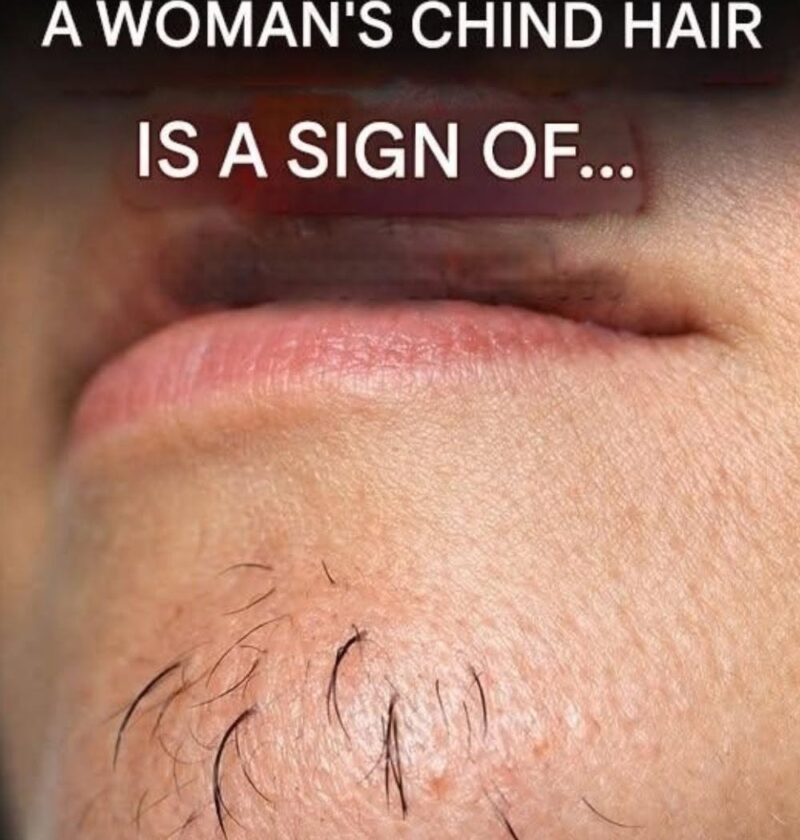
A small amount of chin hair in women is common and is often completely normal, especially as people get older. However, new, coarse, or excessive chin hair can sometimes be a sign of an underlying condition.
Common causes include:
- Hormonal changes – Hormone levels naturally change during menopause, which can make facial hair more noticeable.
- Polycystic ovary syndrome – A common hormonal disorder that can cause excess facial hair, irregular periods, acne, and weight gain.
- Genetics – Some women naturally have more facial hair due to their family background or ethnicity.
- Certain medications – Some medicines, such as anabolic steroids or medications containing testosterone, can increase facial hair growth.
- Rare hormone-producing disorders – Conditions affecting the adrenal glands or ovaries can cause a sudden increase in facial hair, though these are much less common.
When to see a doctor
Consider seeing a healthcare professional if:
- Facial hair appears suddenly or increases rapidly.
- It is accompanied by irregular or absent periods.
- You notice a deeper voice, increased muscle mass, or hair loss on the scalp.
- It is causing significant distress or affecting your quality of life.
Treatment options
Depending on the cause, options may include:
- Tweezing, shaving, waxing, or threading.
- Laser hair removal or electrolysis for longer-lasting reduction.
- Prescription creams or medications if a hormonal condition is diagnosed.
In many cases, a few chin hairs are simply a normal part of aging and genetics, not a sign of illness. The key concern is when the hair growth is new, excessive, or accompanied by other symptoms that suggest a hormonal imbalance.