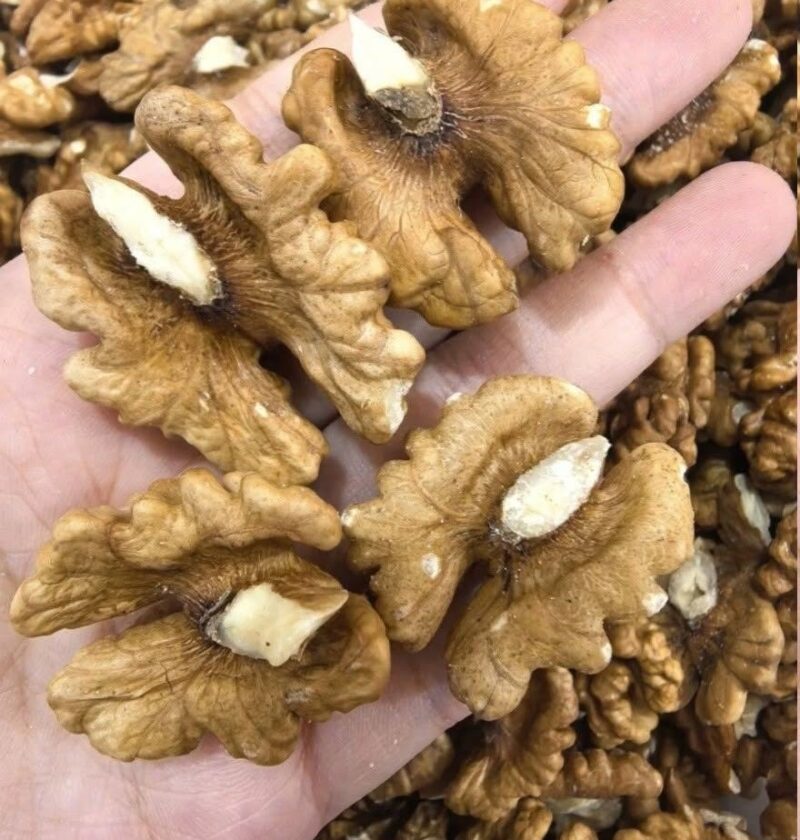
That headline is classic clickbait. It implies a dramatic, surprising effect without saying what it is. In reality, walnuts are a nutritious food, but they are not a miracle food.
Walnut contain:
- Healthy unsaturated fats, including omega-3 fatty acids (ALA)
- Fiber
- Protein
- Vitamin E
- Magnesium
- Antioxidants
What research suggests walnuts may do
Studies have found that eating walnuts as part of an overall healthy diet may:
- Support heart health by helping improve cholesterol levels.
- Provide healthy fats that can replace less healthy saturated fats.
- Increase satiety, which may help some people manage their weight.
- Support overall diet quality by adding fiber and beneficial nutrients.
These benefits are generally seen when walnuts are part of a balanced eating pattern—not because they have a unique medicinal effect.
What walnuts do not do
There is no good evidence that walnuts:
- Cure heart disease
- Prevent dementia on their own
- “Clean” blood vessels
- Melt body fat
- Eliminate the need for medications
Any headline claiming that doctors have discovered a single dramatic effect is almost certainly overstating the evidence.
A few considerations
Walnuts are:
- Calorie-dense, so portion size still matters.
- A common food allergen for some people, and tree nut allergies can be severe.
- Best eaten unsalted if you’re trying to limit sodium intake.
Bottom line
Walnuts are a healthy addition to many people’s diets and can contribute to cardiovascular health when they replace less nutritious foods. But they are not a miracle food, and any major health claims about them should be viewed skeptically unless backed by high-quality clinical evidence.