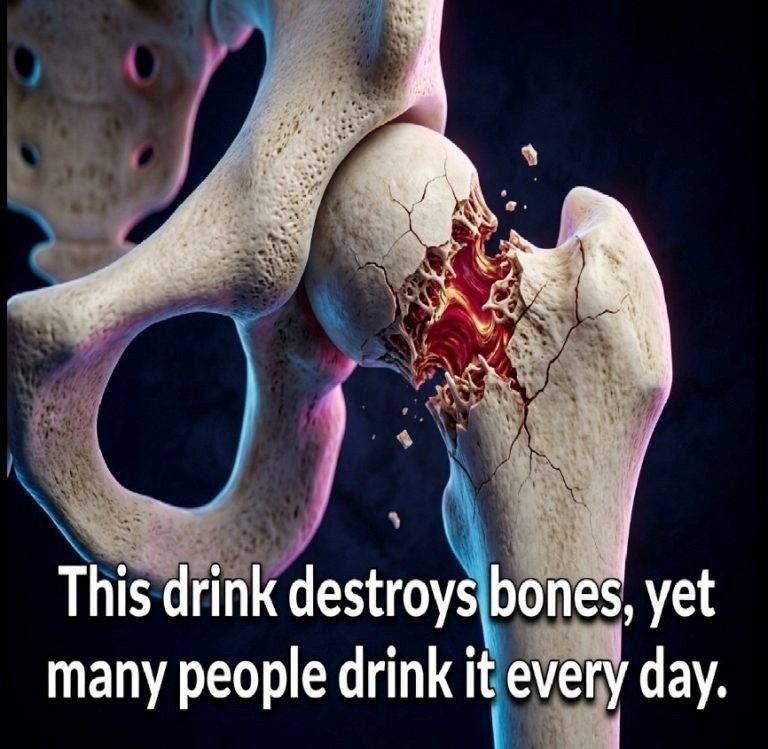
Understanding Bone Strength, Calcium Balance, and Long-Term Skeletal Health
Bones are living tissues that provide structure, protect vital organs, and support overall body movement. Beyond their structural role, bones also play a crucial part in producing blood cells and storing essential minerals such as calcium and phosphorus. Maintaining strong bones is therefore essential for mobility, injury prevention, and long-term health.
The strength of the skeletal system depends on a delicate biological balance. Key nutrients such as calcium, vitamin D, magnesium, and phosphorus work together to maintain bone density. When this balance is disrupted over time, bones may gradually lose strength, becoming more fragile and prone to fractures.
One of the most important factors influencing bone health is diet. The foods and drinks we consume daily either support bone maintenance or contribute to gradual mineral loss. While calcium-rich foods and vitamin D sources help strengthen bones, certain beverages may interfere with mineral absorption or contribute to calcium depletion when consumed in excess.
These effects are often slow and silent. Many people do not notice changes until bone density has already decreased significantly, increasing the risk of fractures, joint discomfort, and reduced mobility later in life. This is why long-term dietary habits are considered a major factor in conditions such as osteoporosis and general bone weakening.
How Diet and Beverages Influence Bone Density and Skeletal Strength
Nutrition plays a central role in maintaining bone health. A balanced intake of minerals and vitamins ensures that bone remodeling—the natural process where old bone tissue is replaced with new tissue—occurs effectively.
However, certain dietary habits may negatively impact this process. Highly acidic beverages, excessive sugar intake, and caffeine-rich drinks can influence calcium metabolism in the body. Over time, these factors may contribute to reduced bone mineral density.
Understanding which drinks may affect bone health is an important step toward building a lifestyle that supports strong bones and reduces long-term skeletal risks.
5 Common Beverages That May Influence Bone Health Negatively
Below are five types of drinks often associated with potential negative effects on bone strength when consumed frequently or in large amounts.
1. Carbonated Soft Drinks and Cola Beverages
Carbonated sodas, especially cola-based drinks, are widely consumed around the world. However, they are often linked to concerns about bone health due to their high phosphoric acid content and excessive sugar levels.
Phosphoric acid may interfere with the body’s ability to maintain calcium balance. When calcium levels are disrupted, the body may draw calcium from bones to restore equilibrium, which can gradually weaken bone structure over time.
Additionally, the high sugar content in soft drinks may contribute to inflammation and poor nutritional balance, further affecting overall skeletal health. Replacing sugary sodas with healthier hydration options is often recommended for maintaining strong bones.
2. Excessive Caffeine-Based Drinks (Coffee and Energy Beverages)
Caffeine-containing beverages such as coffee and energy drinks are popular for boosting alertness and energy levels. However, high caffeine intake may increase calcium excretion through urine, potentially reducing calcium availability in the body.
While moderate coffee consumption is generally considered safe for most people, excessive intake over long periods may have a negative impact on bone mineral density, especially in individuals with low calcium intake.
Energy drinks often combine caffeine with high sugar levels, which may further compound their effects on bone metabolism when consumed frequently.
3. Alcoholic Beverages
Alcohol consumption, particularly in large or chronic amounts, has been associated with reduced bone formation and decreased calcium absorption. It may also interfere with vitamin D metabolism, which is essential for calcium absorption and bone strength.
Long-term excessive alcohol intake can weaken bone structure, slow down the natural bone regeneration process, and increase the risk of fractures. It may also affect balance and coordination, increasing the likelihood of falls and injuries.
4. Sugary Fruit-Flavored Drinks and Packaged Juices
Many commercially available fruit drinks and packaged juices contain high amounts of added sugar and artificial flavoring. Although they may appear healthy, they often lack the nutritional benefits of fresh fruit.
Excess sugar intake can contribute to inflammation and may indirectly affect bone health by disrupting mineral balance in the body. Frequent consumption of these beverages can replace more nutritious options such as milk or calcium-rich drinks, leading to lower overall nutrient intake.
5. Excessively Acidic Drinks (Including Some Sports and Flavored Drinks)
Certain sports drinks and flavored beverages contain high levels of acidity, preservatives, and artificial additives. While they are designed for hydration and electrolyte replacement, regular consumption without physical need may affect the body’s acid-base balance.
A consistently acidic internal environment may encourage calcium leaching from bones over time as the body attempts to neutralize pH levels. This process, when repeated over many years, can contribute to reduced bone density and weaker skeletal structure.
Supporting Bone Health Through Better Dietary Choices
To maintain strong bones, nutrition should focus on calcium-rich and vitamin D–rich foods such as dairy products, leafy green vegetables, nuts, and fortified foods. Adequate sunlight exposure also plays a key role in natural vitamin D synthesis.
Hydration should ideally come from balanced, low-sugar, and nutrient-friendly beverages. Making mindful drink choices is an important part of long-term bone health and osteoporosis prevention.
Conclusion: Protecting Bone Strength Through Smart Beverage Choices
Bone health is not only influenced by age or genetics but also by daily dietary habits. Regular consumption of certain sugary, acidic, or highly caffeinated drinks may gradually affect calcium balance and bone density.
By understanding how different beverages interact with the body, individuals can make more informed lifestyle choices that support stronger bones, improved mobility, and reduced risk of fractures over time.