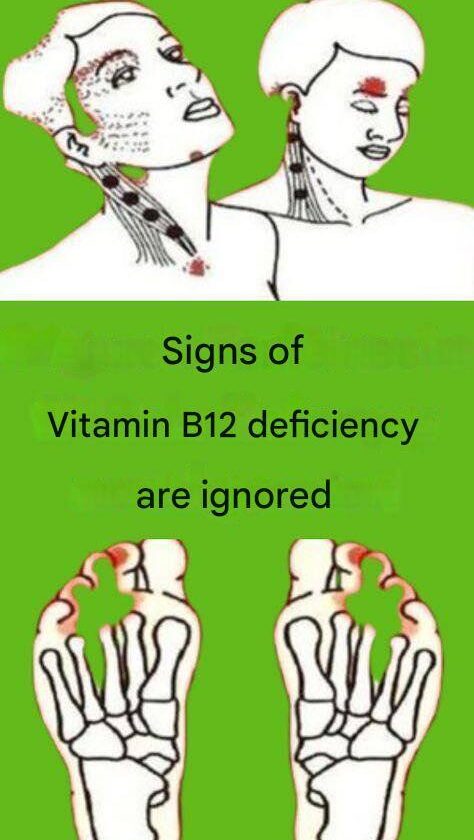
Yes — signs of Vitamin B12 deficiency are often overlooked because they can develop slowly and resemble stress, aging, depression, anemia, or other common problems.
Commonly ignored signs include:
- Persistent fatigue or weakness
- Brain fog, poor memory, difficulty concentrating
- Tingling or numbness in hands and feet
- Dizziness or balance problems
- Pale or slightly yellow skin
- Shortness of breath
- Mood changes, irritability, depression, or anxiety
- Smooth/red tongue or mouth ulcers
- Heart palpitations
- Vision disturbances
Some people have neurological symptoms even before anemia appears, which is why normal-looking blood counts do not always rule it out.
People at higher risk include:
- Vegetarians/vegans with low animal-food intake
- Adults over 50
- People taking acid-reducing medicines long term
- Those with stomach or intestinal disorders
- People taking Metformin for diabetes
If deficiency continues untreated, nerve damage can become long-lasting.
Diagnosis usually involves:
- Serum B12 level
- Methylmalonic acid (MMA)
- Homocysteine
- Complete blood count (CBC)
Treatment depends on the cause and severity:
- Oral B12 supplements
- B12 injections
- Diet changes
Foods rich in B12 include:
- Meat
- Fish
- Eggs
- Dairy
- Fortified cereals
If you’ve been experiencing symptoms for weeks or months, it’s worth discussing B12 testing with a doctor rather than assuming it’s just stress or tiredness.