Metoprolol is a beta-blocker used to treat high blood pressure, certain heart rhythm problems, chest pain (angina), heart failure, and to reduce the risk of future heart problems after a heart attack. While many people take it without significant issues, some side effects may not come up unless you ask about them specifically.
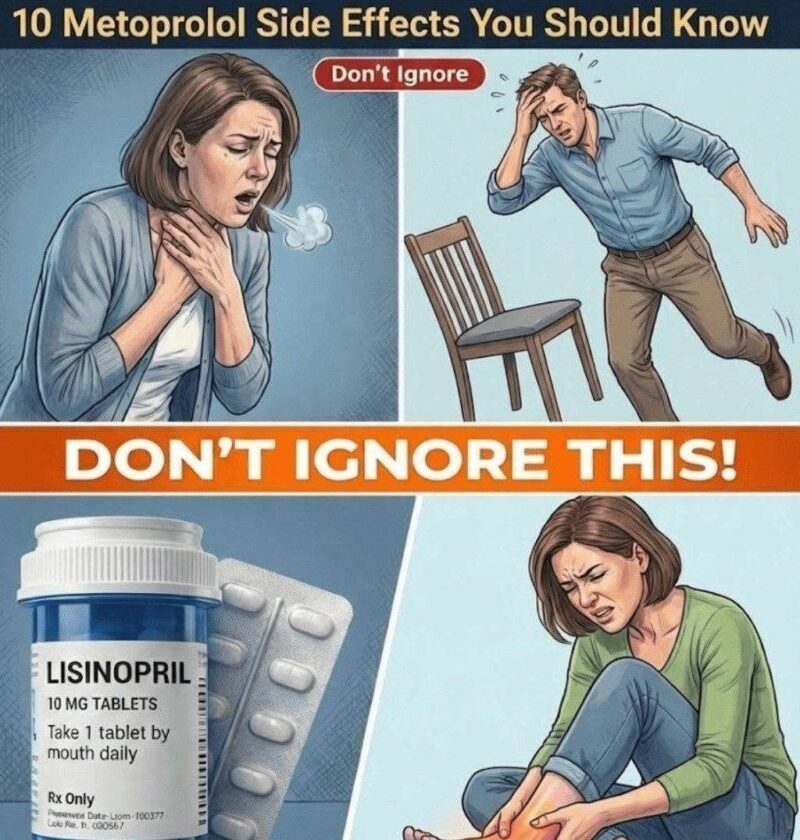
Here are 10 side effects that are worth knowing about—along with practical guidance.
1. Fatigue or low energy
Feeling tired is one of the most common side effects, particularly when starting treatment or after a dose increase. It often improves as your body adjusts.
2. Slow heart rate (bradycardia)
Metoprolol is designed to slow the heart rate, but in some people it can slow it too much.
Contact your healthcare provider if you develop dizziness, fainting, or a persistently very slow pulse.
3. Low blood pressure
Symptoms may include:
- Lightheadedness
- Dizziness when standing
- Blurred vision
- Weakness
Standing up slowly can help reduce symptoms.
4. Cold hands and feet
Reduced blood flow to the extremities may make your hands or feet feel cold, especially in cool weather.
5. Sleep disturbances
Some people report:
- Difficulty falling asleep
- Vivid dreams
- Nightmares
Not everyone experiences these effects.
6. Sexual side effects
Some men may notice erectile dysfunction or reduced libido. Sexual side effects are not unique to metoprolol and can also be related to cardiovascular disease itself.
7. Mood changes
A small number of people report low mood or depression. Research has shown mixed results, so if you notice a significant change in mood, discuss it with your healthcare provider.
8. Shortness of breath
Metoprolol is generally more selective for the heart than some older beta-blockers, but it can still worsen breathing problems in susceptible people, especially those with asthma.
Seek prompt medical attention if you develop severe wheezing or difficulty breathing.
9. Masking low blood sugar symptoms
In people with diabetes, metoprolol can make it harder to notice warning signs of low blood sugar, particularly a rapid heartbeat. Other symptoms, such as sweating or confusion, may still occur.
10. Drug interactions
Metoprolol can interact with other medications, including some:
- Blood pressure medicines
- Heart rhythm medications
- Antidepressants
- Drugs that affect liver enzymes
Always let your healthcare provider and pharmacist know about all prescription medicines, over-the-counter drugs, and supplements you take.
Important reminders
- Do not stop metoprolol suddenly. Abrupt discontinuation can cause a rebound increase in heart rate and blood pressure and may increase the risk of chest pain or heart attack in some people.
- Take it exactly as prescribed and attend follow-up appointments so your blood pressure and heart rate can be monitored.
When to seek urgent medical care
Get immediate medical attention if you experience:
- Fainting or loss of consciousness
- Severe shortness of breath or wheezing
- Chest pain that is new or worsening
- Signs of a serious allergic reaction (such as swelling of the face, lips, tongue, or throat, or difficulty breathing)
Bottom line
Most people tolerate Metoprolol well, and for many, its benefits in treating heart conditions and lowering cardiovascular risk outweigh the potential side effects. If you develop bothersome symptoms, don’t stop the medication on your own—talk with your healthcare provider, as adjusting the dose or switching to a different medication may resolve the problem.