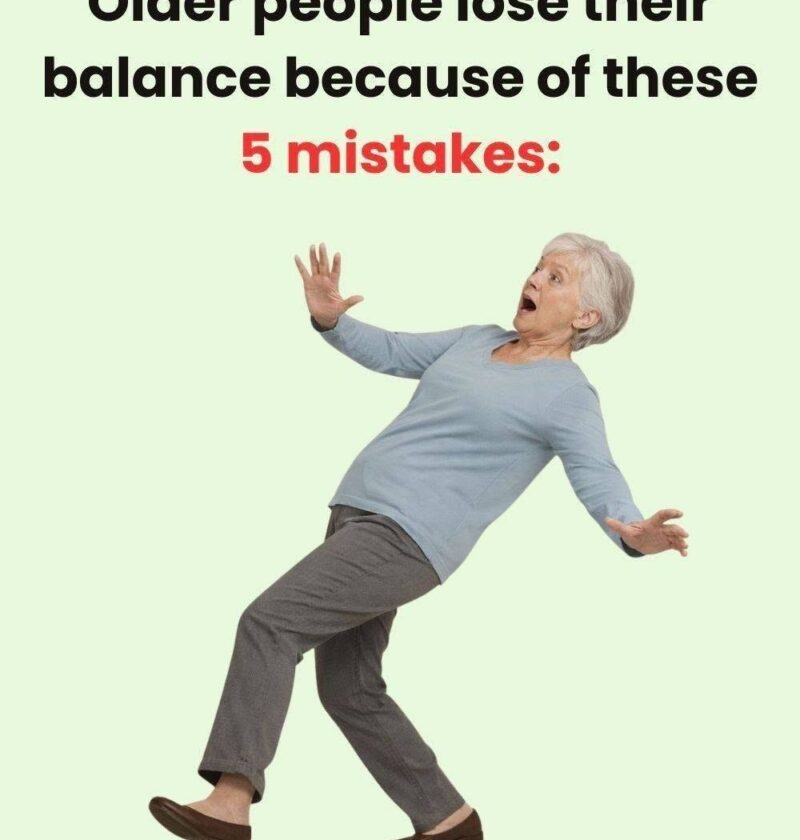
Balance problems in older adults are usually not caused by one single issue—they’re often a mix of habits, health conditions, and environment. Here are some of the most common mistakes that quietly worsen balance over time:
1. Not staying physically active
One of the biggest causes is simply lack of movement. When people stop walking, their:
- leg muscles weaken
- reaction speed slows
- coordination declines
Even short daily walks or light strength exercises can make a big difference.
2. Ignoring strength training
Many older adults focus only on “light activity,” but muscle loss (sarcopenia) is a major reason for falls. Weak:
- thighs
- core muscles
- ankles
all reduce stability.
3. Poor footwear choices
Slippers without grip, worn-out shoes, or soft soles increase slipping risk. Stable shoes should have:
- firm heel support
- non-slip soles
- proper fit
4. Not checking vision and hearing regularly
Balance depends heavily on sensory input. Problems include:
- uncorrected eyesight (glasses not updated)
- inner ear issues
- hearing loss affecting spatial awareness
5. Side effects from medications
Some common medicines can cause dizziness:
- blood pressure drugs
- sedatives or sleeping pills
- certain pain medications
This is often overlooked.
6. Not drinking enough water
Dehydration can lead to:
- dizziness
- low blood pressure
- confusion
All of which increase fall risk.
7. Poor home safety setup
Small hazards matter a lot:
- loose rugs
- dim lighting
- slippery bathroom floors
- cluttered walkways
8. Standing up too quickly
This can cause orthostatic hypotension (a sudden drop in blood pressure), leading to lightheadedness or falls.
Bottom line
Most balance problems in older adults are preventable or improvable with movement, strength work, proper footwear, and home safety adjustments.
If you want, I can turn this into a simple daily routine or a “fall prevention checklist” for seniors.