Here’s a version that’s engaging while staying medically accurate:
A stroke can happen without much warning—but sometimes the body shows early signs. Don’t ignore these symptoms, especially if they’re sudden or recurring.
Possible warning signs include:
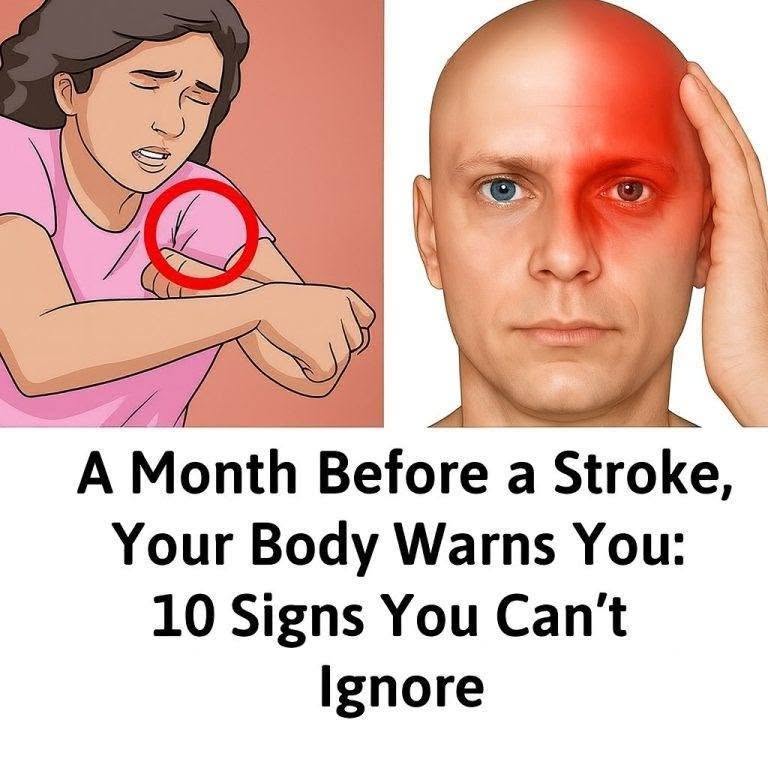
- Sudden numbness or weakness in the face, arm, or leg, especially on one side.
- Difficulty speaking or understanding speech.
- Sudden vision changes in one or both eyes.
- Severe dizziness, loss of balance, or trouble walking.
- A sudden, severe headache with no known cause.
- Sudden confusion or difficulty thinking clearly.
- Drooping of one side of the face.
- Weakness or clumsiness in one arm or hand.
- Brief episodes of symptoms that disappear within minutes (this could be a transient ischemic attack, or “mini-stroke”).
- Sudden difficulty swallowing.
Important: There is no reliable evidence that a stroke consistently gives warning signs a month in advance. While some people experience a transient ischemic attack (TIA) days or weeks beforehand, many strokes occur without earlier symptoms.
If you or someone else develops sudden stroke symptoms, act immediately. Remember FAST:
- Face drooping
- Arm weakness
- Speech difficulty
- Time to call emergency medical services
Quick treatment can significantly improve the chances of recovery.
This version avoids the misleading claim that strokes typically provide warnings a month before they occur while highlighting the symptoms that genuinely require urgent medical attention.