That headline is dramatic, but the underlying topic is real: gradual bone density loss can happen with age—especially in women after menopause—but it’s not “silent erosion” in a mystical sense. It’s a medical condition that can often be slowed or prevented.
The condition involved is Osteoporosis, which means reduced bone strength and higher fracture risk.
🦴 What actually causes bone loss
Bone is living tissue that constantly rebuilds itself. Over time, if breakdown exceeds rebuilding, density drops.
Common causes:
- Aging (natural slowdown of bone formation)
- Low calcium and vitamin D
- Hormonal changes (especially estrogen drop after menopause)
- Lack of physical activity
- Smoking or excessive alcohol
- Certain medications (like long-term steroids)
⚠️ Early warning signs (often subtle)
Bone loss usually has no symptoms until fractures occur, but possible clues include:
- losing height over time
- back pain (from spinal compression fractures)
- stooped posture
- fractures from minor falls
🧠 How to actually slow or prevent bone loss
1) Strength and weight-bearing exercise
Most effective natural method:
- walking
- climbing stairs
- resistance training (weights, bands)
Bones respond to stress by becoming stronger.
2) Adequate calcium intake
- dairy products
- leafy greens
- fortified foods
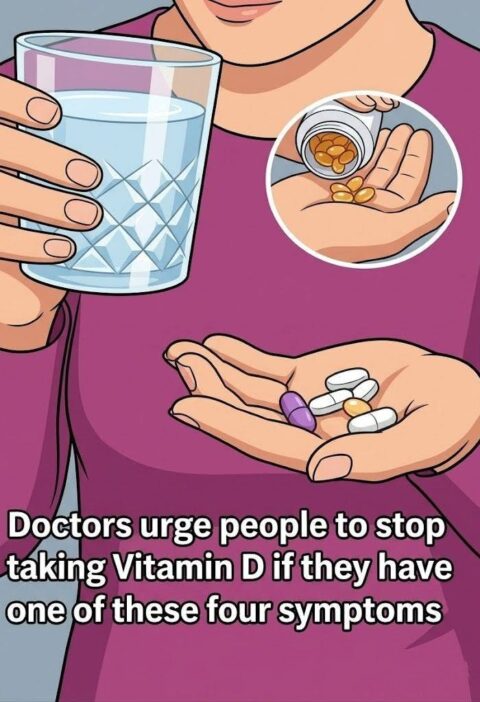
3) Vitamin D support
Vitamin D helps the body absorb calcium effectively. Low levels are very common.
4) Lifestyle habits
- stop smoking
- limit alcohol
- maintain healthy body weight
5) Medical screening
For higher-risk people, doctors may recommend a bone density scan (DEXA) to detect Osteoporosis early.
💊 Treatment (if bone loss is present)
Depending on severity, doctors may prescribe:
- calcium + vitamin D supplements
- bisphosphonate medications
- hormone-related therapies in selected cases
🧾 Bottom line
Bone loss is common with age, but it is not inevitable to the point of helpless “erosion.” Most of the risk can be reduced significantly with:
- movement
- nutrition
- early screening
If you want, I can show a simple daily routine (exercise + diet) that specifically supports bone strength at any age.