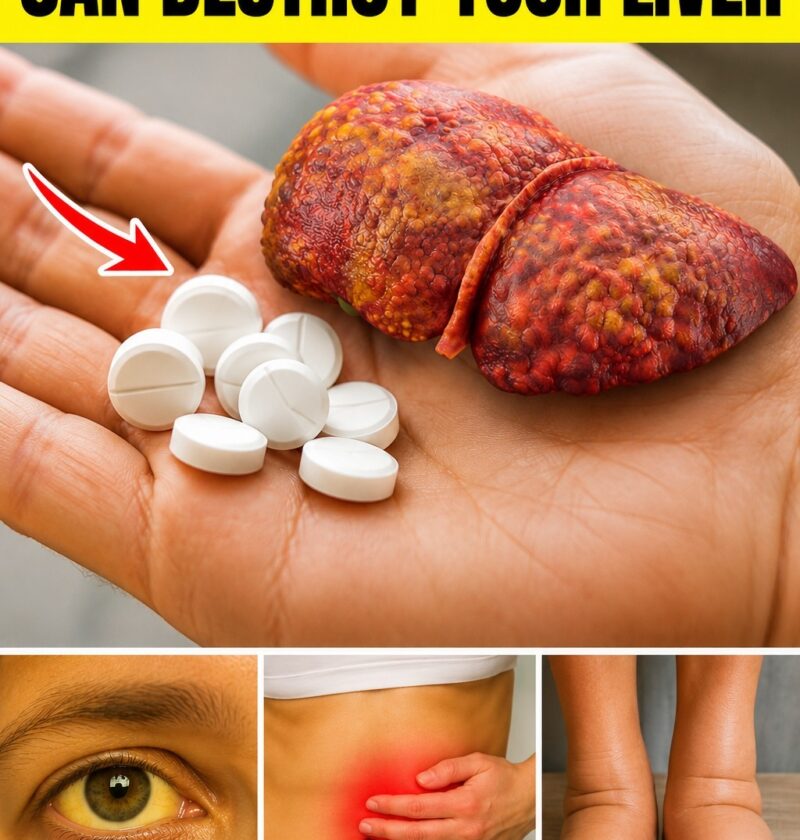
Here are 10 medications known to potentially affect liver health, ranging from mild enzyme elevations to (rarely) serious liver injury. This doesn’t mean they are unsafe—many are widely used—but they require appropriate monitoring, especially with long-term use or higher doses.
1. Acetaminophen (Paracetamol)
One of the most common causes of drug-induced liver injury when taken in overdose or combined with alcohol. Safe at recommended doses, but toxicity can occur if limits are exceeded.
2. Amoxicillin-clavulanate
A widely prescribed antibiotic; one of the leading causes of idiosyncratic (unpredictable) drug-induced liver injury, usually reversible after stopping.
3. Isoniazid
Used for tuberculosis treatment and prevention. Can cause liver inflammation, especially in older adults or when combined with other TB drugs.
4. Rifampin
Another key TB drug that may stress the liver, particularly in combination therapy.
5. Pyrazinamide
One of the more hepatotoxic TB medications; liver enzyme monitoring is routinely required.
6. Valproate
Used for epilepsy and mood disorders. Can rarely cause serious liver injury, especially in young children or those with metabolic conditions.
7. Methotrexate
Used for autoimmune diseases and cancer. Long-term use can lead to fatty liver changes or fibrosis if not monitored.
8. Amiodarone
A heart rhythm medication that can accumulate in tissues and cause chronic liver enzyme elevation or, rarely, liver damage.
9. Diclofenac
A commonly used anti-inflammatory drug with a higher risk of liver enzyme elevation compared to some other NSAIDs.
10. Fluconazole
Used for fungal infections; can cause reversible liver enzyme elevations and, rarely, hepatitis-like injury.
Important context
- Most people taking these medications do not develop serious liver problems.
- Risk increases with high doses, long duration, alcohol use, pre-existing liver disease, or drug combinations.
- Doctors often monitor liver function tests (LFTs) during treatment with higher-risk drugs.
If you want, I can also list:
- safer alternatives with lower liver risk
- early warning signs of liver damage
- or foods/lifestyle habits that protect liver health