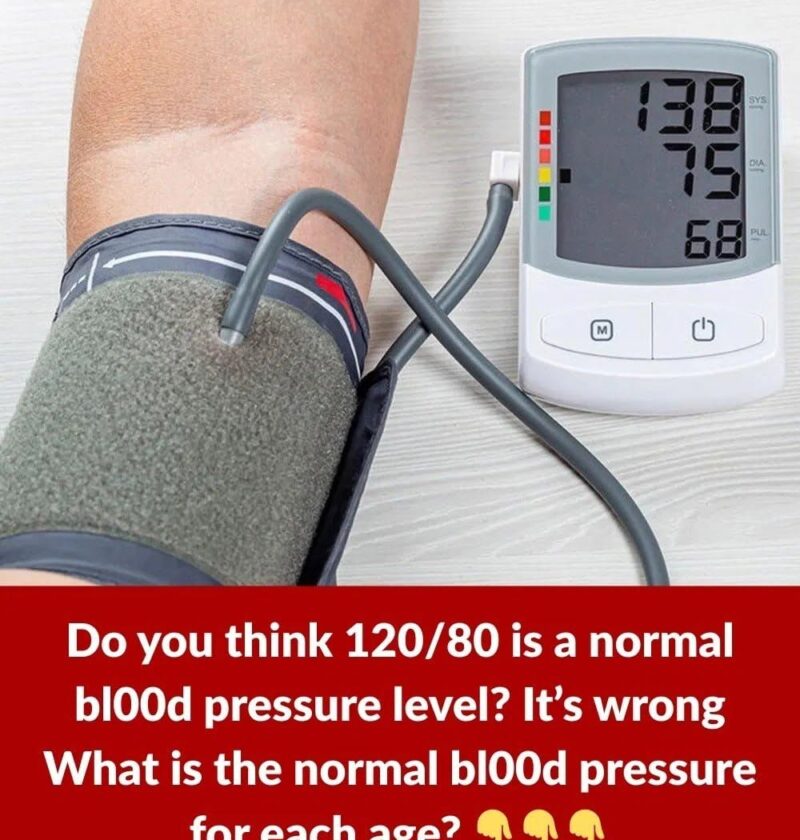
A common mistake is thinking there is a completely different “normal” blood pressure number for every age. In adults, the usual healthy range is mostly the same, although blood pressure often rises somewhat with age. Age, health conditions, and medications all matter.
Typical resting blood pressure ranges:
| Age group | Approximate normal/healthy blood pressure |
|---|---|
| Newborns (0–1 month) | About 60–90 / 20–60 mmHg |
| Infants (1–12 months) | About 70–100 / 50–65 mmHg |
| Children (1–12 years) | About 90–120 / 60–75 mmHg (varies by size and age) |
| Teenagers (13–17 years) | About 100–120 / 65–80 mmHg |
| Adults (18+ years) | Around 90–120 / 60–80 mmHg |
| Older adults (65+ years) | Often still considered healthy around 120/80 mmHg, but individual targets may differ |
For most adults:
- Normal: below 120/80 mmHg
- Elevated: 120–129 and less than 80
- High blood pressure (hypertension): usually 130/80 mmHg or higher (confirmed with proper measurements)
A single reading does not always mean there is a problem. Blood pressure changes with stress, exercise, caffeine, illness, pain, and the time of day.
If you tell me the person’s age and the blood pressure reading (for example 145/90), I can help interpret it.