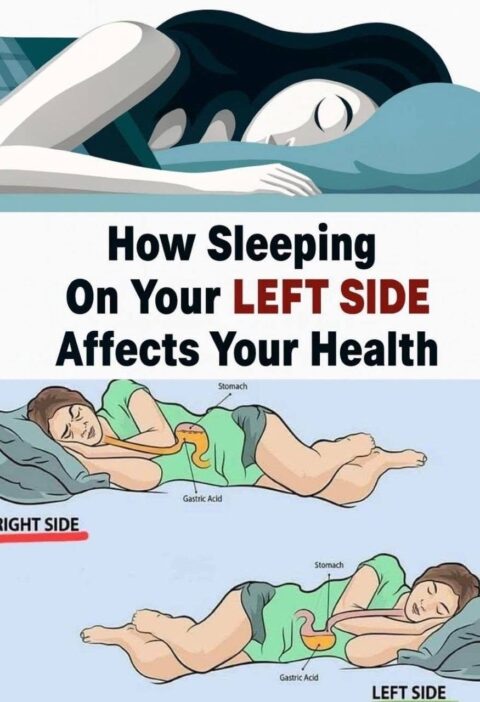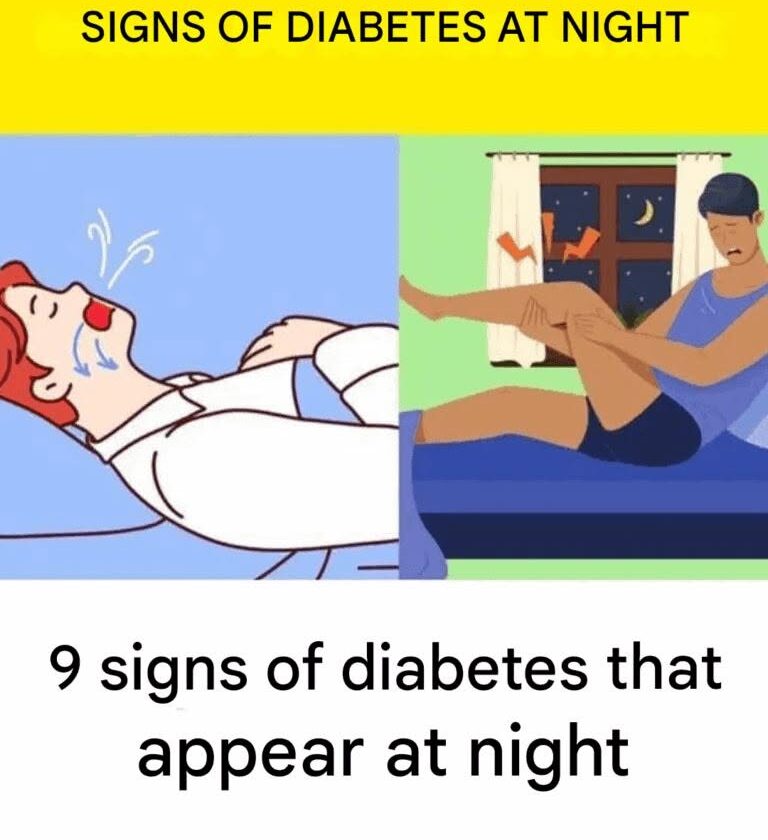
That headline is another clickbait-style oversimplification. There isn’t a special set of “night-only diabetes signs,” but certain symptoms of Type 2 Diabetes can become more noticeable at night because of how blood sugar fluctuates during sleep.
Here are real, medically grounded nighttime patterns and symptoms that can be associated with diabetes:
1) Waking up to urinate frequently (nocturia)
High blood sugar makes the kidneys pull more water into urine.
- You may wake up multiple times at night to pee
- Often one of the earliest noticeable signs
2) Excessive thirst at night
- Dry mouth or waking up needing water
- Happens because of fluid loss through urine
3) Night sweats
- Can occur when blood sugar drops too low overnight (especially in people on medication or insulin)
- This is more about low sugar episodes (hypoglycemia) than high sugar
4) Nighttime hypoglycemia symptoms
If blood sugar drops during sleep:
- sweating
- nightmares or vivid dreams
- waking suddenly feeling shaky or anxious
- morning headaches
5) Restless sleep or frequent waking
- Blood sugar swings can disrupt sleep quality
- Not specific to diabetes, but common in poorly controlled cases
6) Itchy skin (worse at night)
- High blood sugar can cause dehydration and dry skin
- Itchiness may feel more noticeable when trying to sleep
7) Tingling or burning in feet
- Early diabetic nerve irritation (neuropathy)
- Often worse at night when distractions are gone
8) Blurry vision noticed at night
- Blood sugar changes can temporarily affect eye lens focusing
- More noticeable in low-light conditions
9) Nighttime hunger or cravings
- Can happen with blood sugar dips or unstable glucose control
- Especially in people on glucose-lowering medication
Important clarification
None of these symptoms alone confirms Type 2 Diabetes. They can also come from:
- stress or anxiety
- sleep disorders
- dehydration
- urinary tract issues
- medications
- high salt intake before bed
When it’s worth checking blood sugar
Consider testing if you have:
- frequent nighttime urination + thirst
- unexplained fatigue
- weight changes
- slow wound healing
- repeated infections
Bottom line
Night symptoms don’t “belong” exclusively to diabetes—but they can reveal patterns of blood sugar imbalance when they occur together.
If you want, I can help you figure out whether your own symptoms look more like diabetes, sleep issues, or something else.