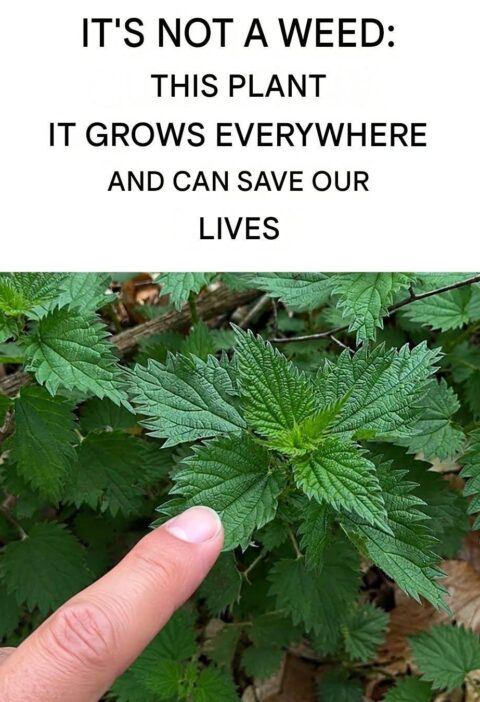
You’re almost certainly referring to Amla (Indian gooseberry).
What’s true about it
- Very high vitamin C: Amla is genuinely rich in vitamin C and is often cited as having many times more vitamin C than oranges (commonly “~20×” in popular claims).
- It also contains antioxidants like polyphenols and tannins that help protect cells from oxidative stress.
What’s exaggerated or not supported
- “Heals eyesight”: No strong clinical evidence shows amla can restore or heal eyesight. It may support eye health indirectly due to antioxidants, but it is not a treatment for vision loss or eye diseases.
- “Regenerates liver and kidneys”: This is also an overstatement. Some animal and early lab studies suggest protective effects on the liver and kidneys under certain conditions, but there is no reliable human evidence that it “regenerates” these organs.
Bottom line
Amla is a nutrient-dense fruit with real health benefits, especially as an antioxidant source, but the claims about reversing eye damage or regenerating organs go beyond what science currently supports.
If you want, I can compare it with other high–vitamin C fruits like guava, acerola, or kiwi so you can see where it actually ranks.