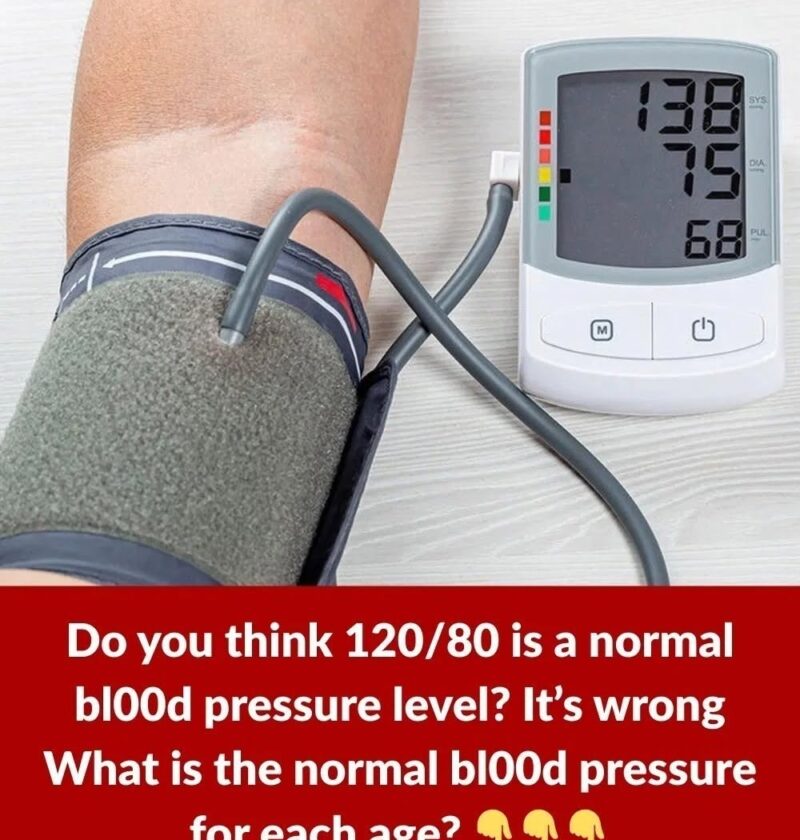
There isn’t a perfectly different “normal blood pressure for every age,” but there are typical ranges and clinical targets that change slightly with age and health status.
Blood pressure is measured in mmHg as:
- Systolic (top number)
- Diastolic (bottom number)
✅ General normal blood pressure (all adults)
For most adults, the ideal range is:
- Normal: around <120 / <80 mmHg
- This is considered healthy at almost any adult age
👶 Children & teens (approximate ranges)
Blood pressure varies a lot with height and age in kids:
- Newborns: ~60–90 / 30–60
- Toddlers (1–5 yrs): ~80–110 / 50–80
- Older children (6–12 yrs): ~90–120 / 60–80
- Teens: similar to adults (~110–120 / 70–80)
Doctors usually compare kids to percentile charts, not fixed numbers.
👩🦳 Adults by age (typical patterns, not strict “norms”)
18–39 years
- Ideal: 110–120 / 70–80
- Higher readings here often signal early risk
40–59 years
- Common range: 115–130 / 75–85
- Slight rise is normal with aging, but should stay controlled
60+ years
- Often seen: 120–140 / 70–90
- Many doctors accept slightly higher systolic in older adults depending on health
⚠️ When it becomes high (important)
According to modern guidelines:
- Elevated: 120–129 / <80
- Hypertension (Stage 1): 130–139 / 80–89
- Hypertension (Stage 2): ≥140 / ≥90
High blood pressure is called Hypertension.
⚠️ Low blood pressure
- Usually: <90 / 60 mmHg
- Only concerning if symptoms appear:
- dizziness
- fainting
- weakness
🧠 Key takeaway
- “Normal” is basically around 120/80 or lower in adults
- With age, slight increases are common—but not automatically “healthy”
- What matters most is risk, symptoms, and consistency, not a single reading
If you want, I can also show:
- what blood pressure is dangerous at home readings
- or how to correctly measure it for accurate results (most people do it wrong)