That headline is misleading.
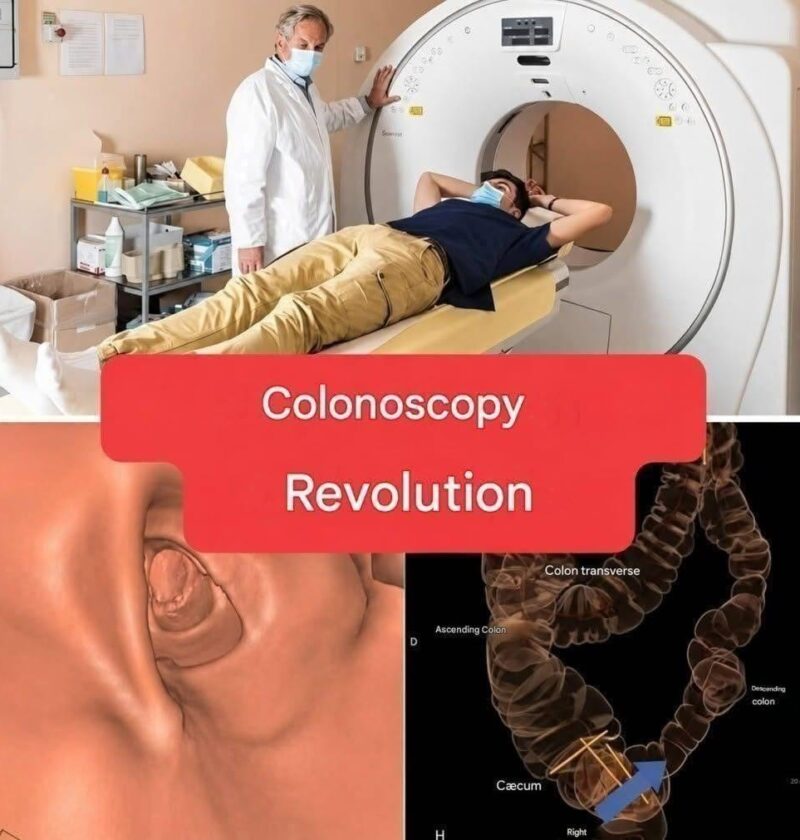
A Colonoscopy is still an invasive procedure by definition, and no “new method” has made it completely non-invasive.
What’s actually changing in colon cancer screening?
There are newer and less invasive alternatives or improvements, but they don’t replace colonoscopy in all cases:
1) Stool-based DNA tests
- Example: FIT-DNA (Cologuard-type tests)
- Checks for hidden blood or cancer DNA in stool
- Non-invasive, done at home
- BUT: if abnormal → you still need a colonoscopy
2) CT colonography (“virtual colonoscopy”)
- Uses CT scan to image the colon
- Less invasive (no scope inserted into the colon)
- Still requires bowel prep
- If polyps are found → colonoscopy is still needed
3) Capsule endoscopy (limited use)
- Swallowed camera capsule
- Mainly used for small intestine, not full colon screening in most guidelines
Why colonoscopy is still considered invasive
A Colonoscopy involves:
- inserting a flexible camera through the rectum
- inflating the colon with air or CO₂
- possible biopsy or polyp removal during the same procedure
That combination makes it invasive—but also uniquely powerful.
Why it’s still the “gold standard”
Colonoscopy remains preferred because it:
- detects polyps in real time
- removes them immediately (prevents cancer)
- provides direct visual confirmation
Bottom line
There is no new technology that has made colonoscopy “non-invasive.” What’s happening instead is:
- better screening options
- more early detection tools
- but colonoscopy is still required when something abnormal is found
If you want, I can break down which screening test is best for different ages and risk levels—it’s actually where most confusion comes from in these headlines.