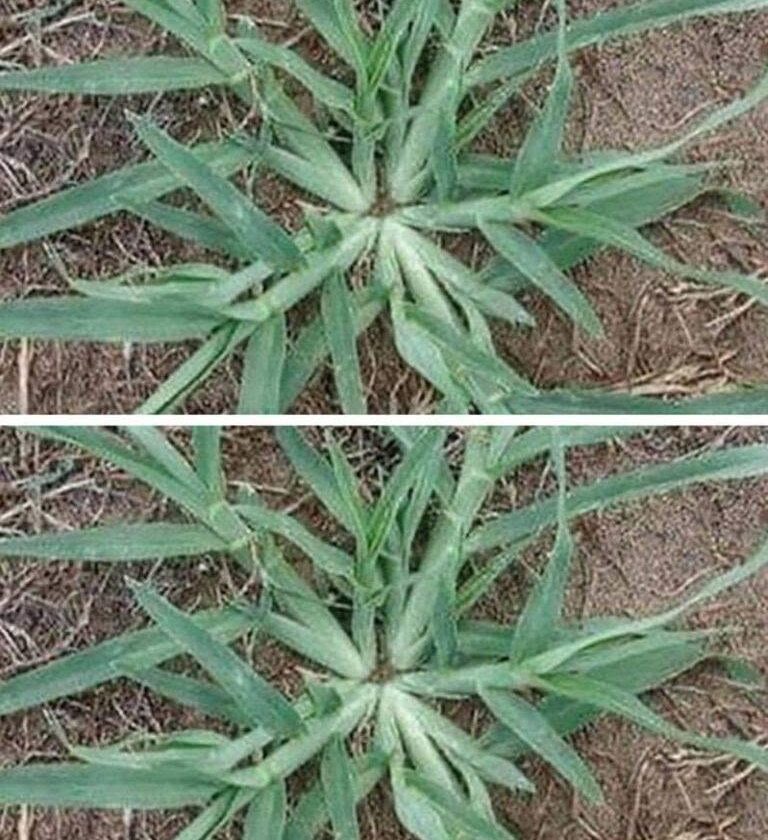
What people usually mean is one of these beneficial “volunteer” plants that often show up in gardens:
🌿 1) Dandelion
Often removed as a weed, but it’s actually useful.
- Deep taproot breaks compacted soil
- Leaves are edible (rich in vitamins)
- Flowers support pollinators
Why people keep it: It improves soil health and supports bees.
🌱 2) Purslane
A very common garden “weed” in warm climates.
- High in omega-3 fatty acids
- Edible (slightly tangy, crunchy)
- Handles drought extremely well
Why people keep it: Nutritious and good for poor soils.
🍀 3) Clover
Often spreads naturally in lawns and beds.
- Fixes nitrogen in soil (improves fertility)
- Attracts bees
- Helps reduce need for fertilizers
Why people keep it: Acts like a natural soil booster.
🌾 4) Chickweed
A low-growing soft plant.
- Edible and mild in flavor
- Helps cover bare soil, reducing erosion
- Indicates healthy, moist soil
Why people keep it: Acts like living mulch.
🌼 5) Wild violets (in moderation)
- Early nectar source for pollinators
- Ground cover that prevents soil drying
- Edible flowers
Why people keep it: Good for biodiversity—but can spread aggressively.
⚠️ Important reality check
No plant is automatically “must keep forever.” Even beneficial plants can become:
- Invasive in the wrong place
- Competitive with vegetables
- Hard to control if left unchecked
🌿 Bottom line
Instead of “never uproot this plant,” a better rule is:
“Identify it first, then decide based on your garden goals.”
If you want, tell me your region or show a photo of a plant—you might actually have something useful growing there already.