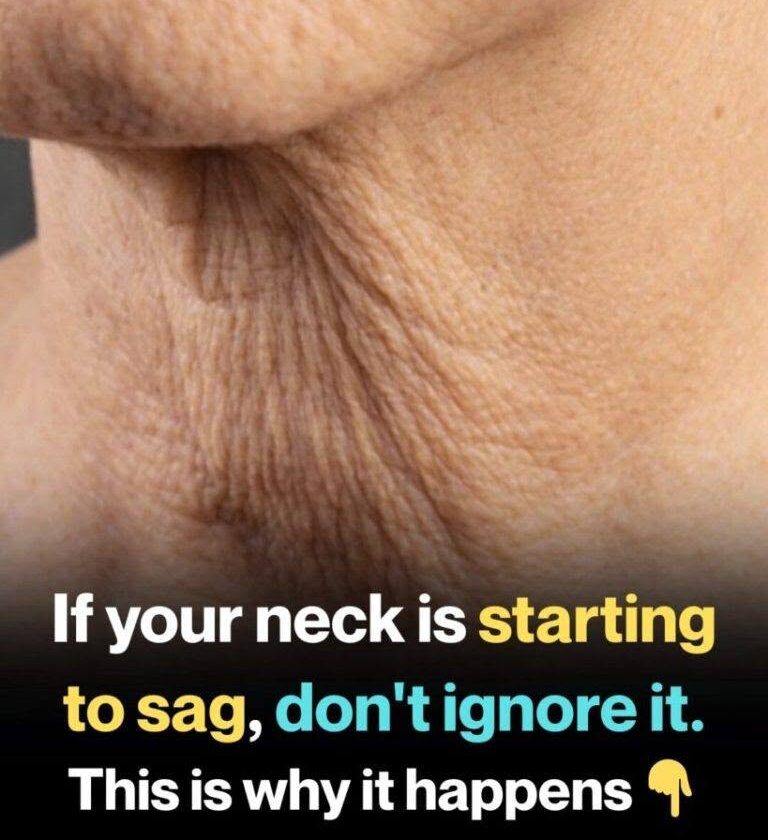
As you age, the skin on the neck often becomes looser or “sags” because of changes in the skin, underlying muscles, fat, and connective tissues. It’s a normal part of aging, though genetics and lifestyle can influence how early or how noticeably it occurs.
Why neck skin sags
- Loss of collagen and elastin: Starting in early adulthood, your body gradually produces less collagen and elastin, the proteins that give skin its firmness and elasticity.
- Thinner skin: The skin naturally becomes thinner with age, making it more prone to wrinkles and laxity.
- Changes in fat distribution: Fat beneath the chin and neck can shift or diminish, altering the contours of the neck and jawline.
- Weakened neck muscles: The platysma muscle can separate or become more prominent over time, contributing to visible neck bands.
- Sun exposure: Ultraviolet (UV) radiation breaks down collagen and elastin, accelerating skin aging.
- Smoking: Smoking damages collagen, reduces blood flow to the skin, and speeds up visible aging.
- Weight changes: Repeated weight gain and loss can stretch the skin and contribute to looseness.
- Genetics: Some people are naturally more prone to developing loose neck skin earlier than others.
What you can do
While no cream can completely reverse sagging skin, several strategies may help improve or slow its progression:
- Protect your skin from the sun: Use a broad-spectrum sunscreen (SPF 30 or higher) on your neck every day, even when it’s cloudy.
- Use topical retinoids: Retinoids can stimulate collagen production and improve fine wrinkles over time. They may cause irritation initially, so it’s best to start gradually.
- Moisturize regularly: Moisturizers containing ingredients like hyaluronic acid can improve skin hydration and temporarily make the skin appear smoother.
- Maintain a healthy lifestyle: Avoid smoking, eat a balanced diet rich in protein, fruits, and vegetables, exercise regularly, and get enough sleep.
- Keep your weight relatively stable: Avoiding large fluctuations in weight may help preserve skin elasticity.
Medical treatments
If sagging is more pronounced, treatments performed by qualified dermatologists or plastic surgeons may provide greater improvement:
- Energy-based treatments such as radiofrequency or ultrasound can stimulate collagen production, with modest tightening in selected people.
- Injectable treatments may improve jawline definition in some cases, depending on the underlying cause.
- Laser resurfacing can improve skin texture and fine wrinkles.
- A surgical neck lift provides the most significant and longest-lasting correction for substantial skin laxity, but it involves surgery and recovery time.
Do neck exercises help?
Evidence that “neck exercises” alone can tighten loose skin is limited. They may strengthen underlying muscles but generally do not restore skin elasticity or replace collagen that’s been lost.
If neck sagging develops suddenly, is accompanied by a new lump, pain, difficulty swallowing, or other concerning symptoms, it’s important to have it evaluated by a healthcare professional, as those symptoms are not typical signs of normal aging.