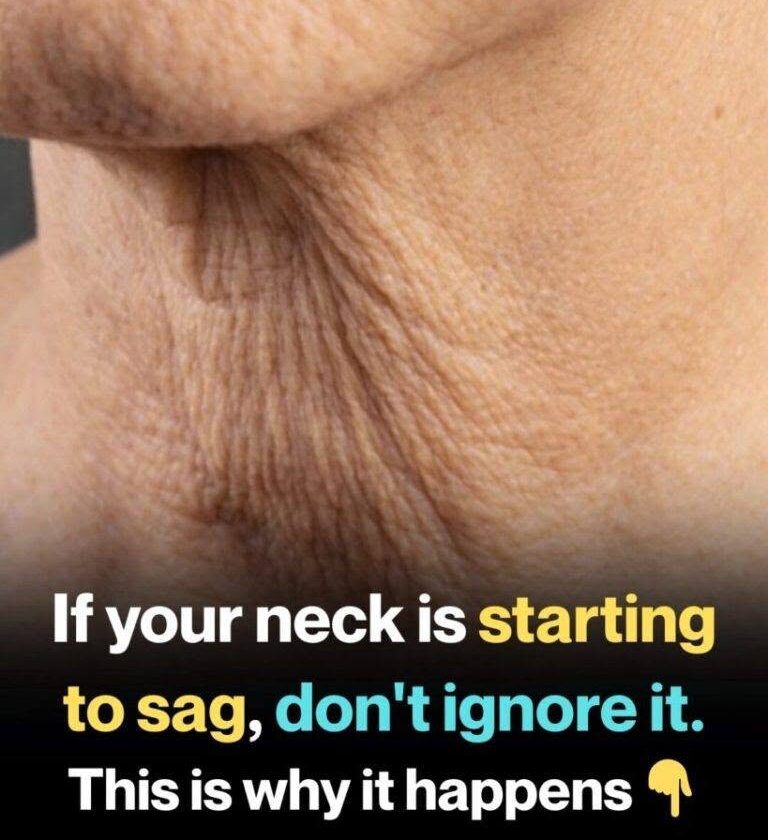
Neck skin often becomes looser with age because several normal changes happen in the skin and underlying tissues. While you can’t stop aging, there are ways to slow these changes and, in some cases, improve the appearance of the neck.
Why neck skin sags
- Collagen and elastin decline: These proteins help keep skin firm and elastic. As you age, your body produces less of them, so skin becomes thinner and less resilient.
- Gravity and tissue changes: Over time, gravity contributes to the gradual descent of skin and soft tissues.
- Changes in fat and muscle: Fat under the chin and in the neck can shift, and the platysma muscle may become more visible or develop vertical bands.
- Sun damage: Years of ultraviolet (UV) exposure accelerate the breakdown of collagen and elastin, a process known as photoaging.
- Lifestyle factors: Smoking, poor nutrition, chronic sleep deprivation, and large weight fluctuations can contribute to earlier or more noticeable skin aging.
- Genetics: Some people naturally develop loose neck skin earlier than others.
What you can do
Although no cream can completely eliminate sagging, these measures can help:
- Protect your neck from the sun by applying a broad-spectrum sunscreen (SPF 30 or higher) daily.
- Use a retinoid (if appropriate for your skin), as retinoids can stimulate collagen production and improve fine lines over time.
- Keep skin moisturized to improve hydration and temporarily reduce the appearance of fine wrinkles.
- Maintain healthy habits: Eat a balanced diet with adequate protein, avoid smoking, exercise regularly, sleep well, and try to keep your weight relatively stable.
Do neck creams work?
Many neck creams improve hydration, making the skin look smoother temporarily. Products that contain ingredients such as retinoids, peptides, or antioxidants may provide modest improvements over time, but they won’t produce the dramatic tightening seen with medical procedures.
Medical treatments
If neck laxity is more significant, options performed by qualified healthcare professionals include:
- Radiofrequency or ultrasound treatments to stimulate collagen production.
- Laser treatments to improve skin texture and fine wrinkles.
- Injectable treatments in selected cases.
- A surgical neck lift, which generally provides the most noticeable and long-lasting improvement for significant sagging.
Do exercises tighten neck skin?
Neck exercises may strengthen underlying muscles, but there is limited evidence that they can tighten loose skin or restore lost collagen. They are not a substitute for proven skin treatments.
When to seek medical advice
Aging-related sagging usually develops gradually. If you notice a new neck lump, rapid swelling, pain, difficulty swallowing, persistent hoarseness, or sudden changes in your neck’s appearance, it’s important to have those symptoms evaluated by a healthcare professional, as they are not typical signs of normal skin aging.