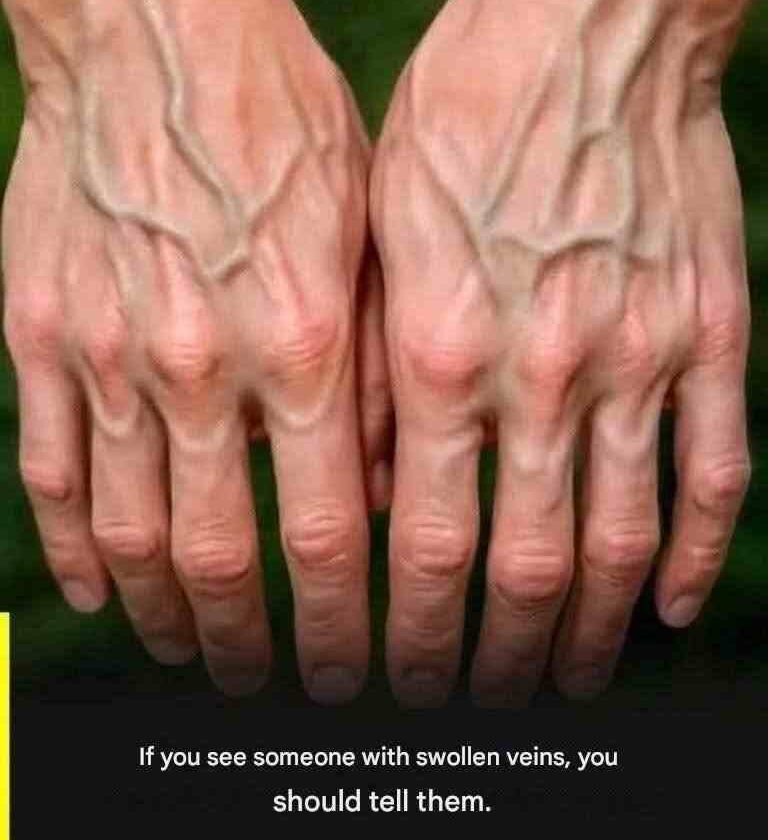
The French headline “Si vos veines sont visibles, voici ce que cela peut signifier” translates to:
“If your veins are visible, here’s what it could mean.”
Visible veins are often normal and do not necessarily indicate a health problem. Common reasons include:
- Low body fat: Less fat under the skin makes veins easier to see.
- Fair or thin skin: Veins are naturally more visible through lighter or thinner skin.
- Exercise: After physical activity, veins can temporarily become more prominent due to increased blood flow.
- Aging: As skin becomes thinner with age, veins may appear more noticeable.
- Warm temperatures: Heat causes blood vessels to dilate, making veins more visible.
Sometimes, visible veins can be associated with a medical condition, such as:
- Varicose Veins, which are enlarged, twisted veins that may cause aching, heaviness, or swelling.
- Less commonly, other circulation or vein disorders.
You should seek medical evaluation if visible veins are accompanied by:
- Pain, tenderness, or swelling.
- Redness or warmth over the vein.
- Sudden swelling of one arm or leg.
- Skin changes or ulcers near the ankle.
- A vein that becomes hard, painful, and red.
For most people, simply having visible veins—especially on the hands, arms, or feet—is a normal variation and not a sign of illness. If the appearance is new, rapidly changing, or accompanied by other symptoms, it’s worth discussing with a healthcare professional.