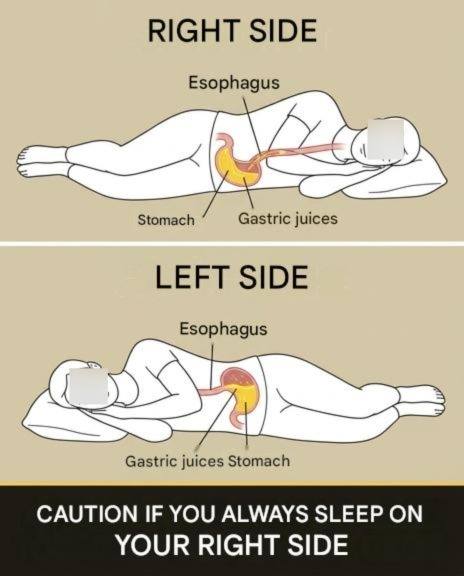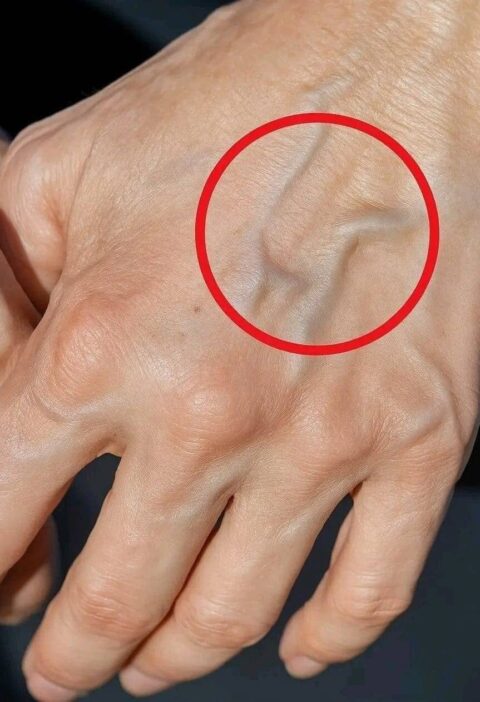
That phrase (“These are the first symptoms of a…”) is almost always clickbait, and what comes next is usually exaggerated or fear-based. There is no single set of “first symptoms” that reliably predicts one specific disease for everyone.
Early symptoms depend entirely on which condition is being discussed.
Why these posts are misleading
Most of these articles:
- Take common, non-specific symptoms (like fatigue or headache)
- Attach them to a serious disease to create fear
- Ignore that the same symptoms happen in harmless conditions too (stress, dehydration, poor sleep, infection, etc.)
Examples of how “early symptoms” are often misused
1. Heart disease or heart attack claims
Often list:
- Fatigue
- Mild chest discomfort
- Shortness of breath
But these can also come from:
- Anxiety
- Poor fitness
- Acid reflux
Serious heart symptoms are usually clearer and more urgent.
2. Stroke claims
May include:
- Dizziness
- Headache
- Numbness
But true stroke warning signs are sudden and specific, like:
- Face drooping
- Arm weakness
- Speech difficulty
(known as FAST symptoms)
3. Cancer claims
Often include:
- Weight loss
- Fatigue
- Pain
But these are very general symptoms and usually appear in many non-cancer conditions.
Real medical principle
Doctors focus on:
- Pattern of symptoms
- Duration
- Severity
- Risk factors
Not vague “lists from the internet.”
When symptoms should be taken seriously
Seek medical advice if you notice:
- Persistent unexplained symptoms lasting weeks
- Sudden severe changes (chest pain, weakness, confusion)
- Blood in stool, urine, or coughing
- Unintentional weight loss with no reason
Bottom line
There is no universal “first symptom list” for serious diseases. Most clickbait lists mix real medical signs with normal body sensations, which can be misleading and cause unnecessary fear.
If you want, you can paste the full headline or article, and I’ll break down exactly what is real and what is misleading in it.