Nightly leg cramps—often called Nocturnal leg cramps—are sudden, involuntary tightening of the calf or foot muscles that tend to strike during sleep or just as you’re falling asleep. They can be brief but extremely painful, and they often leave the muscle sore afterward.
Why they happen
There isn’t one single cause, but several common triggers are known:
One major factor is muscle fatigue or overuse during the day—long walking, standing, or exercise can “overload” the muscles so they misfire at night. Another is fluid or mineral imbalance, especially involving Electrolyte imbalance, where shifts in sodium, potassium, calcium, or magnesium affect how muscles contract and relax.
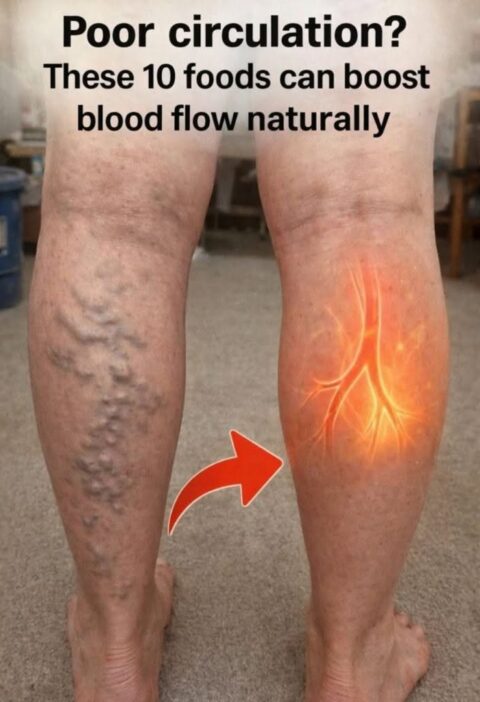
Reduced blood flow (common in people who sit for long periods or have circulation issues), nerve irritation (such as from a compressed nerve in the back), and certain medications can also contribute. Dehydration is another frequent and underestimated trigger, especially in hot climates or if water intake is low.
How to stop them when they happen
The quickest relief usually comes from gently stretching the cramped muscle. For a calf cramp, pulling your toes upward toward your shin while keeping the leg straight often helps. Standing up and putting weight on the leg can also “reset” the muscle. Gentle massage or applying heat after the cramp eases can reduce lingering soreness.
How to reduce them at night
Prevention is usually more effective than treatment. Regular calf stretching before bed is one of the simplest and most reliable strategies. Staying well hydrated during the day helps as well.
Some people benefit from correcting low mineral levels, particularly magnesium. In certain cases, a doctor may suggest Magnesium supplementation, especially if dietary intake is low. However, supplements aren’t universally helpful, so it’s best not to self-prescribe high doses.
Light exercise earlier in the day (not right before sleep), supportive footwear, and avoiding long periods of sitting can also reduce frequency.
When to get checked
If cramps are happening very frequently, are severe, or are associated with swelling, weakness, numbness, or visible changes in the leg, it’s worth getting medical evaluation. Sometimes underlying issues like nerve problems, circulation disorders, or medication side effects need attention.
If you want, I can help you narrow down what’s most likely in your case based on your age, activity level, diet, and how often the cramps happen.