Important Note
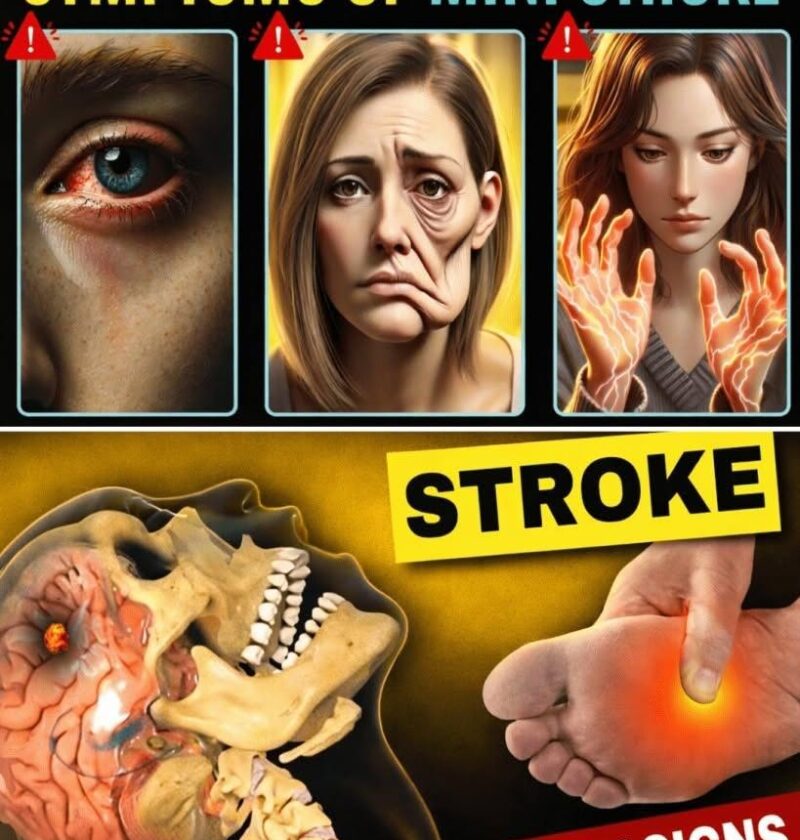
Many articles list “15 warning signs,” but TIAs don’t have a fixed checklist of 15 symptoms. Symptoms vary depending on the area of the brain affected. The key issue is recognizing sudden neurological changes.
Common Warning Signs of a TIA
1. Sudden Weakness on One Side of the Body
- Face, arm, or leg weakness
- Usually affects one side
2. Facial Drooping
- One side of the face may sag
- An uneven smile is a common clue
3. Numbness or Loss of Sensation
- Often affects one side of the body
4. Difficulty Speaking
- Slurred speech
- Trouble finding words
5. Difficulty Understanding Speech
- Trouble comprehending what others are saying
6. Sudden Vision Loss
- In one eye or part of the visual field
7. Double Vision
- Sudden onset of seeing two images
8. Blurred Vision
- Unexplained visual changes
9. Dizziness
- Particularly when accompanied by other neurological symptoms
10. Loss of Balance
- Sudden difficulty walking
11. Coordination Problems
- Clumsiness or difficulty performing familiar tasks
12. Sudden Confusion
- Unexpected mental clouding
13. Severe Headache
- Especially if unusual or accompanied by neurological symptoms
14. Trouble Swallowing
- Difficulty swallowing may occur in some cases
15. Sudden Generalized Weakness
- Abrupt onset of weakness without another explanation
The FAST Warning Signs
A simple way to remember stroke and TIA symptoms:
F – Face: Facial drooping
A – Arms: Arm weakness
S – Speech: Speech difficulty
T – Time: Call emergency services immediately
Why TIAs Are Serious
Even though symptoms may disappear completely, a TIA is not harmless.
People who experience a TIA have an increased risk of a future stroke, especially in the days and weeks afterward.
Related condition:
- Stroke
Risk Factors
Common risk factors include:
- Hypertension
- Type 2 Diabetes
- Smoking
- High cholesterol
- Obesity
- Physical inactivity
- Heart rhythm disorders such as Atrial Fibrillation
What to Do if Symptoms Occur
Do not wait for symptoms to improve.
Seek emergency medical care immediately if you experience sudden:
- Weakness
- Numbness
- Speech problems
- Vision changes
- Balance problems
Even if symptoms resolve within minutes, prompt evaluation is essential.
Key Takeaway
A Transient Ischemic Attack is often a warning that a more serious stroke could occur in the future. Any sudden neurological symptoms—even those that quickly disappear—should be treated as a medical emergency and evaluated as soon as possible.