Hand numbness is a symptom, not a diagnosis—and it can come from something simple or something that needs medical attention, depending on the pattern and how often it happens.
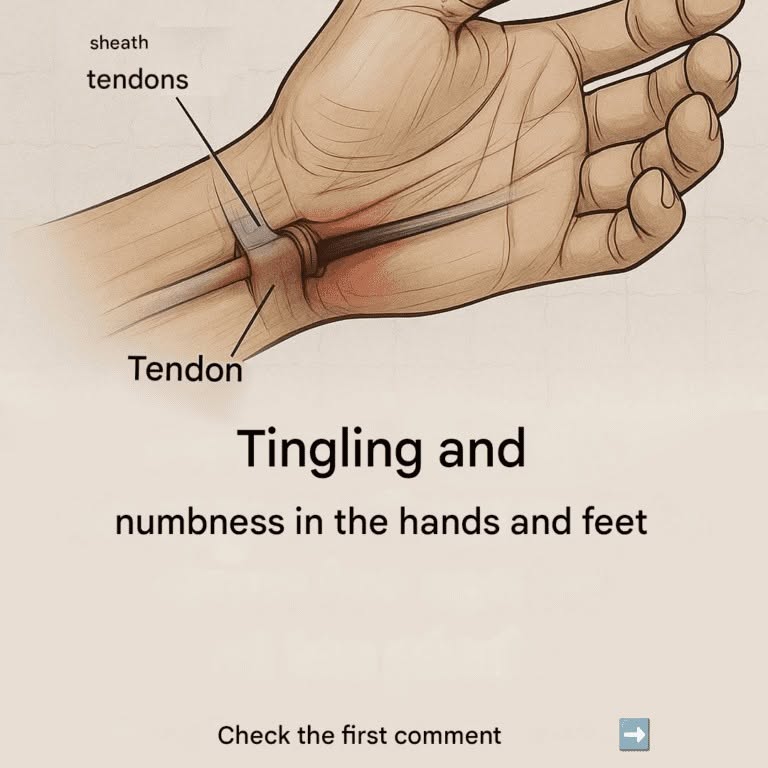
This usually relates to irritation or compression of nerves or reduced blood flow. Medically, one common cause is pressure on the median nerve in a condition called Carpal tunnel syndrome.
Common, often harmless causes
These are usually temporary:
- Sleeping on your arm or wrist awkwardly
- Holding your phone for too long
- Leaning on elbows or wrists
- Tight wrist position during typing or driving
- Anxiety or hyperventilation (can cause tingling)
In these cases, sensation usually returns within minutes after changing position.
Nerve-related causes (more persistent)
If numbness keeps coming back, it may involve nerve compression:
- Carpal tunnel syndrome → numbness/tingling in thumb, index, and middle fingers
- Ulnar nerve compression → affects ring and little finger
- Cervical nerve irritation (neck-related) → can radiate down the arm
These often develop gradually and may include weakness or pain.
Circulation-related causes
Less commonly, reduced blood flow can contribute:
- Cold exposure
- Blood vessel issues
- Diabetes-related circulation changes
When to take it seriously
Seek medical advice urgently if numbness:
- Comes on suddenly with weakness on one side of the body
- Is associated with chest pain or shortness of breath
- Affects speech, vision, or face (possible neurological emergency)
- Keeps worsening or doesn’t go away
Bottom line
Occasional numb hands are usually from temporary nerve pressure and are harmless. Recurrent or persistent numbness, especially with pain or weakness, should be checked to find the underlying nerve or circulation issue.
If you want, tell me which fingers go numb and when it happens—I can narrow down the most likely cause for you.