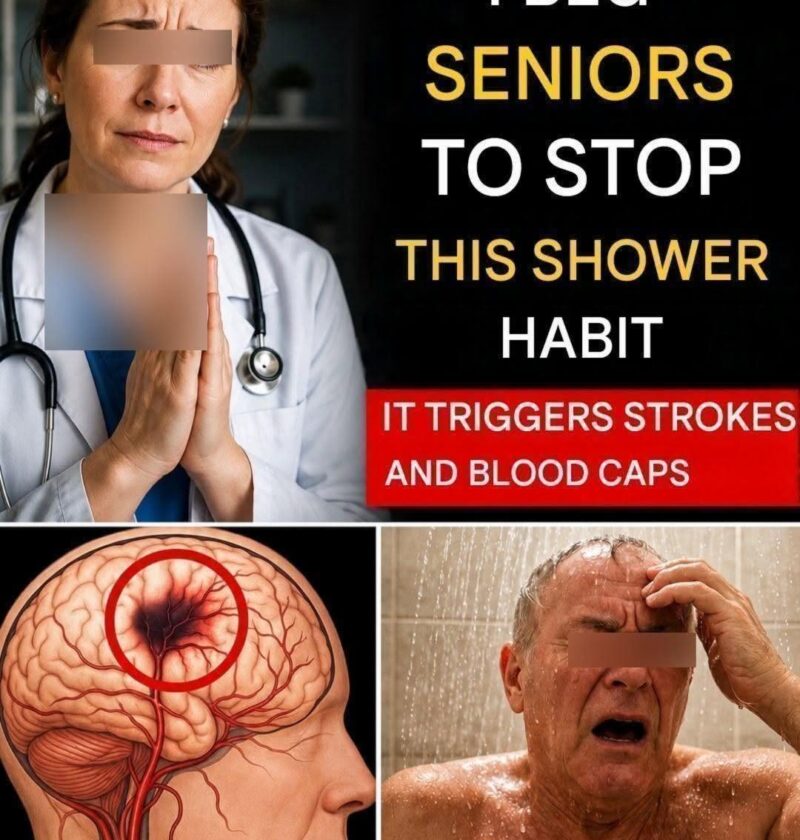
That headline is clickbait and misleading.There is no evidence that a normal shower habit can suddenly “increase stroke risk overnight” in healthy people. A Stroke is mainly caused by long-term factors like high blood pressure, diabetes, smoking, high cholesterol, and heart disease—not a single everyday hygiene habit.
Where this claim comes from (partly misunderstood facts)
Some real, but rare, situations can involve bathing:
- Very hot showers or baths can temporarily lower blood pressure in some people
- In older adults or people with heart disease, this may cause dizziness or fainting
- Fainting in a bathroom could lead to injury, but that is not the same as causing a stroke
There is no medical link showing showers directly trigger strokes.
Real stroke risk factors (what actually matters)
- High blood pressure (biggest risk factor)
- Smoking
- Diabetes
- High cholesterol
- Atrial fibrillation (irregular heartbeat)
- Obesity and inactivity
Safer shower habits for seniors (practical advice)
- Avoid extremely hot water
- Stand up slowly after bathing
- Use non-slip mats to prevent falls
- Keep showers short if feeling dizzy or weak
- Sit on a shower chair if balance is an issue
Important reality check
- Showers do not cause strokes
- Risk comes from underlying health conditions, not bathing routines
- Viral “brain specialist warns” posts are usually designed to grab attention
Bottom line
A normal shower is safe. The real priority for stroke prevention is controlling blood pressure and cardiovascular health—not worrying about bathing habits.
If you want, I can break down early stroke warning signs vs myths like this so you can quickly tell what’s real and what’s not.