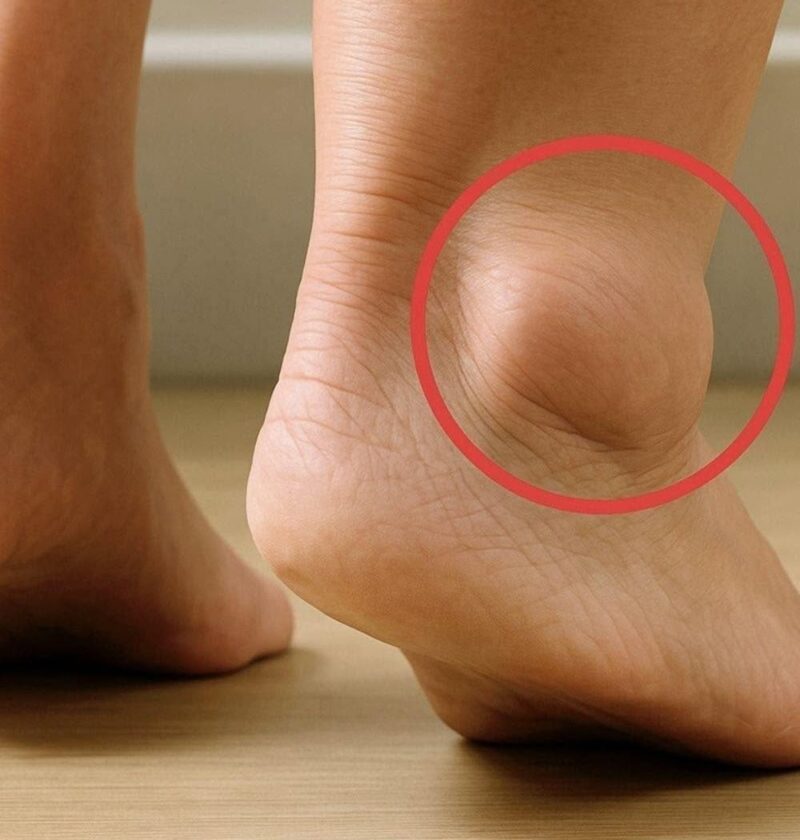
Swollen Feet in Older Adults: Common Causes and PreventionSwollen feet (also called foot or ankle edema) are common in older adults. Sometimes swelling is mild and temporary, but it can also be a sign of an underlying health condition that needs attention.
Common Causes of Swollen Feet in Older Adults
- Fluid retention (edema)
- As people age, the body may become less efficient at moving fluid back through the veins.
- Long periods of sitting or standing can cause fluid to collect in the feet and ankles.
- Poor circulation or venous insufficiency
- The veins in the legs have valves that help blood return to the heart. When these valves weaken, blood can pool in the lower legs, causing swelling.
- Heart-related conditions
- Conditions such as Congestive heart failure can cause fluid buildup, often leading to swelling in both feet and ankles.
- Kidney problems
- The kidneys help control fluid balance. Reduced kidney function can cause the body to hold onto extra fluid.
- Medication side effects
- Some medicines may cause swelling, including certain blood pressure medications (such as calcium channel blockers), anti-inflammatory drugs, and some diabetes medications.
- Arthritis or joint problems
- Inflammation from conditions such as Osteoarthritis may contribute to swelling around joints and feet.
- Injury or infection
- A sprain, fracture, skin infection, or wound can cause swelling, usually affecting one foot more than the other.
- Blood clots
- A clot in a deep leg vein (Deep vein thrombosis) can cause sudden swelling, pain, warmth, and redness—this requires prompt medical evaluation.
Ways to Help Prevent or Reduce Foot Swelling
1. Keep legs elevated
- Raise the feet above heart level for 20–30 minutes several times a day when possible.
- Avoid sitting with feet hanging down for long periods.
2. Stay physically active
- Walking, gentle stretching, and ankle exercises can improve circulation.
- Move the feet and ankles regularly during long periods of sitting.
3. Reduce salt intake
- Excess sodium can cause the body to retain water.
- Choose fresh foods more often and limit highly processed salty foods.
4. Wear supportive footwear
- Comfortable shoes with good support can reduce pressure and improve mobility.
- Avoid tight shoes that restrict circulation.
5. Consider compression socks (when appropriate)
- Compression stockings may help some people with circulation-related swelling.
- Older adults should check with a healthcare professional before using them, especially if they have circulation problems.
6. Maintain a healthy weight
- Extra weight can increase pressure on leg veins and contribute to swelling.
7. Protect foot health
- Check feet regularly for cuts, sores, color changes, or infections.
- Good foot care is especially important for people with diabetes.
When to Seek Medical Advice
Contact a healthcare professional if swelling:
- Appears suddenly or is severe
- Affects only one leg or foot
- Is accompanied by pain, redness, warmth, or tenderness
- Comes with shortness of breath, chest pain, or unusual fatigue
- Does not improve with rest and elevation
- Occurs with rapid weight gain or worsening health symptoms
Swollen feet in older adults can have simple causes, but persistent or unexplained swelling is worth discussing with a healthcare provider to identify and treat the underlying cause.