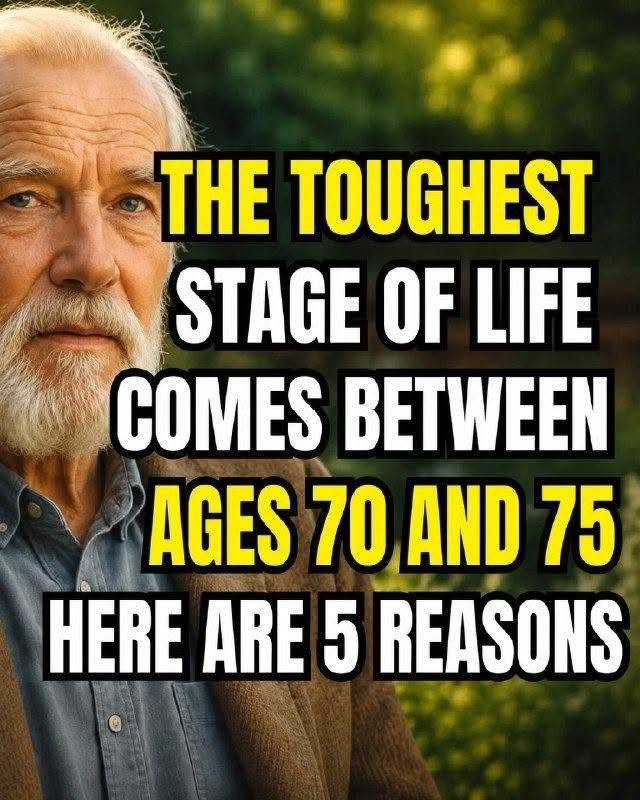
Here are 5 common reasons why the early-to-mid 70s can feel challenging for some people:
1. Changes in physical strength and health
Muscle mass, balance, hearing, vision, and energy levels may decline with age. Conditions such as arthritis or chronic illnesses can make everyday activities more difficult.
Helpful steps:
- Regular strength and balance exercises
- Nutritious eating with enough protein
- Routine health checkups
2. Loss of loved ones and social changes
Friends, siblings, or a spouse may become ill or pass away, and retirement can reduce daily social interaction.
Helpful steps:
- Maintain friendships
- Join community groups or activities
- Build new social connections
3. Adjusting to retirement and purpose changes
Some people struggle after leaving a career that provided identity, structure, and a sense of achievement.
Helpful steps:
- Volunteer
- Learn new skills
- Pursue hobbies or projects
- Set new personal goals
4. Financial concerns
Managing savings, healthcare costs, or changes in income can create stress.
Helpful steps:
- Plan budgets carefully
- Review insurance and expenses
- Seek trusted financial guidance when needed
5. Facing questions about independence
Concerns about driving, living arrangements, memory, or needing help can be emotionally challenging.
Helpful steps:
- Plan ahead while choices are available
- Discuss preferences with family
- Focus on maintaining independence safely
The positive side of the 70s
Many people report greater emotional stability, confidence, and appreciation for life as they age. Staying physically active, socially connected, and mentally engaged can make a major difference.
A person’s 70s are not automatically a “hardest” period—they are a stage with both challenges and opportunities, shaped greatly by health, support systems, and lifestyle.