After Gallbladder Removal: 3 Conditions You Could Develop — What You Should Know
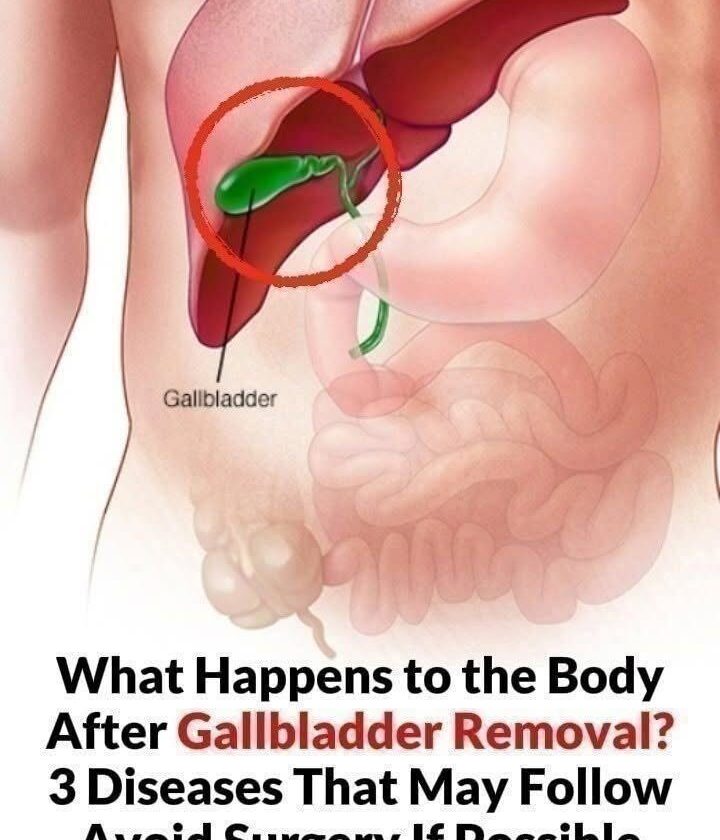
Gallbladder removal surgery (Cholecystectomy) is a common and generally safe procedure. It is often recommended when gallstones cause repeated pain, inflammation, infection, or other complications. However, like any surgery, it can have possible side effects and long-term changes.
The idea that people should avoid gallbladder removal whenever possible is too broad. In many cases, removing the gallbladder prevents serious problems and is the best treatment option. The decision depends on the individual’s symptoms, risks, and medical situation.
3 possible issues after gallbladder removal
1. Changes in digestion
The gallbladder stores bile and releases it when needed to help digest fats. After removal, bile flows continuously from the liver into the intestine.
Some people experience:
- Loose stools or diarrhea
- Bloating
- Gas
- Difficulty tolerating very fatty meals
These symptoms are often temporary or can improve with dietary adjustments.
2. Postcholecystectomy syndrome
A small number of people develop ongoing symptoms after surgery, such as:
- Abdominal discomfort
- Indigestion
- Nausea
- Changes in bowel habits
The cause may be related to bile flow changes, another digestive condition, or problems that were not caused by the gallbladder.
3. Bile-related diarrhea
Some people develop diarrhea because bile reaches the colon in larger amounts than before. Treatments, including diet changes and certain medications, can help when this occurs.
When gallbladder removal is usually recommended
Doctors commonly advise surgery for problems such as:
- Repeated painful gallstone attacks
- Gallbladder inflammation (cholecystitis)
- Blocked bile ducts
- Certain gallbladder complications
Leaving serious gallbladder disease untreated can also carry risks, including infection or inflammation of nearby organs.
How to support digestion after surgery
Many people do well by:
- Eating smaller meals
- Gradually reintroducing higher-fat foods
- Choosing more fiber-rich foods
- Avoiding foods that clearly trigger symptoms
- Following their surgeon’s recovery advice
Bottom line: Gallbladder removal is not a procedure to avoid at all costs; it is a treatment that can be very beneficial when medically necessary. However, it is reasonable to discuss alternatives, risks, and expected outcomes with a healthcare professional before deciding on surgery.