It looks like you’ve provided a title/topic. If you’re asking about the claim, here’s a balanced overview:
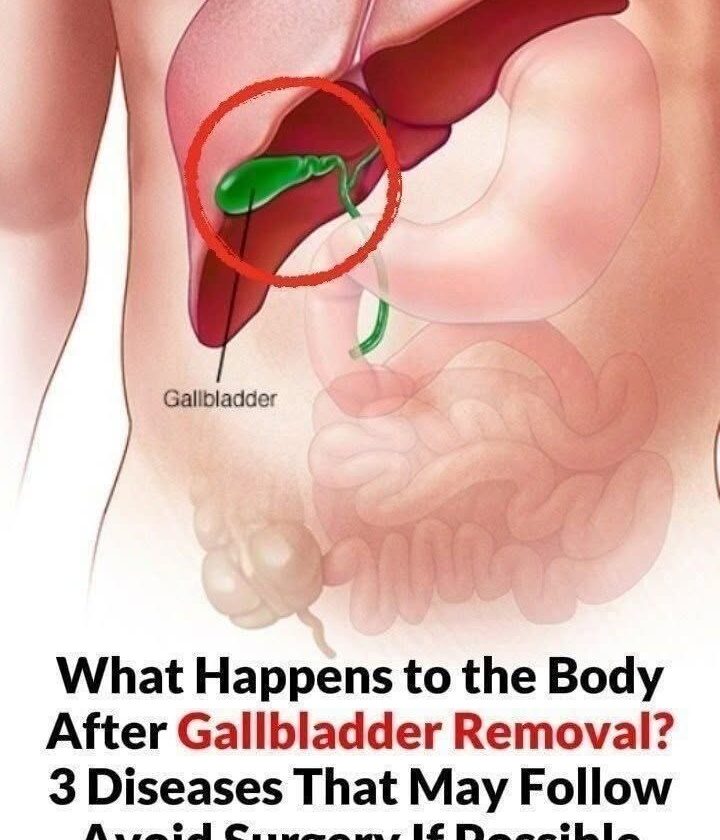
“After Gallbladder Removal: 3 Conditions You Could Develop — Why You Should Avoid the Surgery When Possible” is a claim that mixes a real concern with an oversimplified conclusion.
Gallbladder removal (cholecystectomy) is a common and generally safe procedure, and for many people with symptomatic gallstones or serious gallbladder disease, it is the recommended treatment. However, like any surgery, it can have possible long-term effects.
Three issues that some people may experience after gallbladder removal include:
- Post-cholecystectomy digestive symptoms
- Some people develop ongoing diarrhea, bloating, gas, abdominal discomfort, or changes in bowel habits after surgery.
- This may happen because bile flows continuously into the intestine rather than being stored and released in response to meals.
- Bile acid diarrhea
- In some individuals, excess bile acids reach the colon and irritate it, causing frequent watery stools.
- This condition can often be treated with medications that bind bile acids.
- Changes in digestion and food tolerance
- Some people find they have difficulty tolerating very fatty meals after surgery.
- Many adapt over time by adjusting meal size and fat intake.
That said, avoiding surgery “when possible” depends on the reason it is being considered. Surgery may be avoidable in some people with asymptomatic gallstones (stones found incidentally without symptoms), but delaying or avoiding surgery can be risky when there are complications such as:
- repeated gallbladder attacks (biliary colic)
- Acute cholecystitis
- infection
- blockage of bile ducts
- inflammation of the pancreas caused by gallstones
A decision about gallbladder removal is usually based on the balance between the risks of surgery and the risks of leaving the gallbladder condition untreated. A surgeon or gastroenterologist can help assess factors such as symptoms, ultrasound findings, age, overall health, and history of complications.
If you’re considering gallbladder surgery yourself, tell me:
- why it was recommended (stones, pain attacks, polyps, inflammation, etc.),
- your symptoms,
- your age,
- and any test results you have,
and I can help you understand the usual options and questions to discuss with your doctor.