From Age 65: How Often Should You Shower — and Why Over-Washing Can Harm Your Health
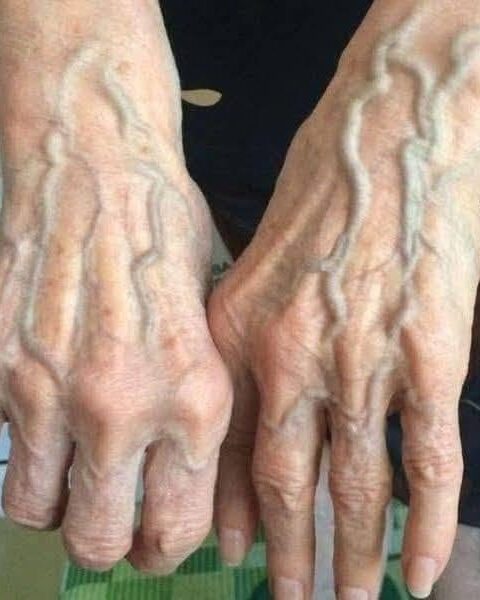
Many people believe that taking a shower every day is always the healthiest choice. However, as we get older, our bodies change — and so do our hygiene needs. After the age of 65, skin becomes more delicate, produces fewer natural oils, and may need extra care to stay healthy.
The goal is not simply to shower more often, but to find the right balance between staying clean and protecting the skin’s natural defenses.
How Often Should You Shower After Age 65?
There is no universal shower schedule that works for every older adult. For many people over 65, showering every day or every other day may be appropriate, depending on lifestyle, health, and personal preference.
A person who exercises frequently, works outdoors, sweats heavily, or lives in a hot climate may need more frequent showers. Someone with dry or sensitive skin may find that fewer full-body showers help prevent discomfort.
Many older adults can maintain good hygiene by:
- Taking shorter showers a few times per week
- Washing areas that need frequent cleaning, such as the face, underarms, feet, and private areas
- Adjusting their routine based on activity level and skin condition
Good hygiene is about cleanliness and comfort — not following a strict rule.
Why Skin Changes After 65
As we age, the skin naturally becomes thinner and less able to retain moisture. The body produces less oil, which normally helps protect the skin and keep it flexible.
These changes can lead to:
- Dryness and rough patches
- Increased itching
- Greater sensitivity to soaps and chemicals
- Slower healing of small cuts or irritation
Because older skin has a weaker moisture barrier, it may not tolerate harsh cleaning routines as well as younger skin.
How Over-Showering Can Affect Your Health
While bathing is important, excessive washing can sometimes create problems. Long, hot showers and frequent use of strong soaps may remove the natural oils that protect the skin.
Over-washing may contribute to:
1. Dry and Irritated Skin
Removing too much natural oil can leave the skin feeling tight, dry, or itchy. Some people may notice flaking or irritation after frequent bathing.
2. Increased Skin Sensitivity
When the protective skin barrier is damaged, products such as perfumes, lotions, and soaps may cause burning or irritation.
3. Worsening of Certain Skin Conditions
People with conditions such as eczema or very dry skin may find that excessive washing makes symptoms worse.
4. Greater Discomfort During Winter
Cold weather already reduces skin moisture. Frequent hot showers during winter can make dryness and itching more noticeable.
The Best Shower Habits for Older Adults
A few simple changes can help protect aging skin:
Use Warm Water Instead of Hot Water
Hot water may feel relaxing, but it can remove protective oils from the skin. Warm water is usually gentler.
Keep Showers Short
A five- to ten-minute shower is often enough for most people. Longer showers may increase dryness.
Choose Gentle Cleansers
Look for mild, fragrance-free soaps or cleansers. Strongly scented products may irritate sensitive skin.
Avoid Harsh Scrubbing
Rough washcloths and aggressive scrubbing can damage delicate skin. Gentle washing is usually sufficient.
Moisturize After Bathing
Applying moisturizer after showering helps trap moisture in the skin. Many people find it works best when applied while the skin is still slightly damp.
Areas That Need Regular Cleaning
Even if someone reduces full-body showers, certain areas should still be cleaned regularly:
- Underarms
- Groin area
- Feet
- Face
- Hands
Keeping these areas clean can help prevent odor and discomfort while avoiding unnecessary drying of the entire body.
When Shower Habits Should Change
Older adults may need to adjust their routine because of:
- Increased sweating
- Mobility limitations
- Skin infections
- Medical conditions
- Medication effects
- Changes in living environment
A healthcare professional can provide guidance if there is persistent itching, unexplained rashes, wounds, or major changes in skin health.
The Right Approach After 65
Healthy aging does not require excessive cleaning. The best routine is one that keeps the body fresh while protecting the skin’s natural barrier.
For many people over 65, the ideal approach is simple:
Shower when needed, use gentle products, avoid damaging the skin, and pay attention to what your body is telling you.
Taking care of your skin is an important part of maintaining comfort, confidence, and overall well-being as you age.